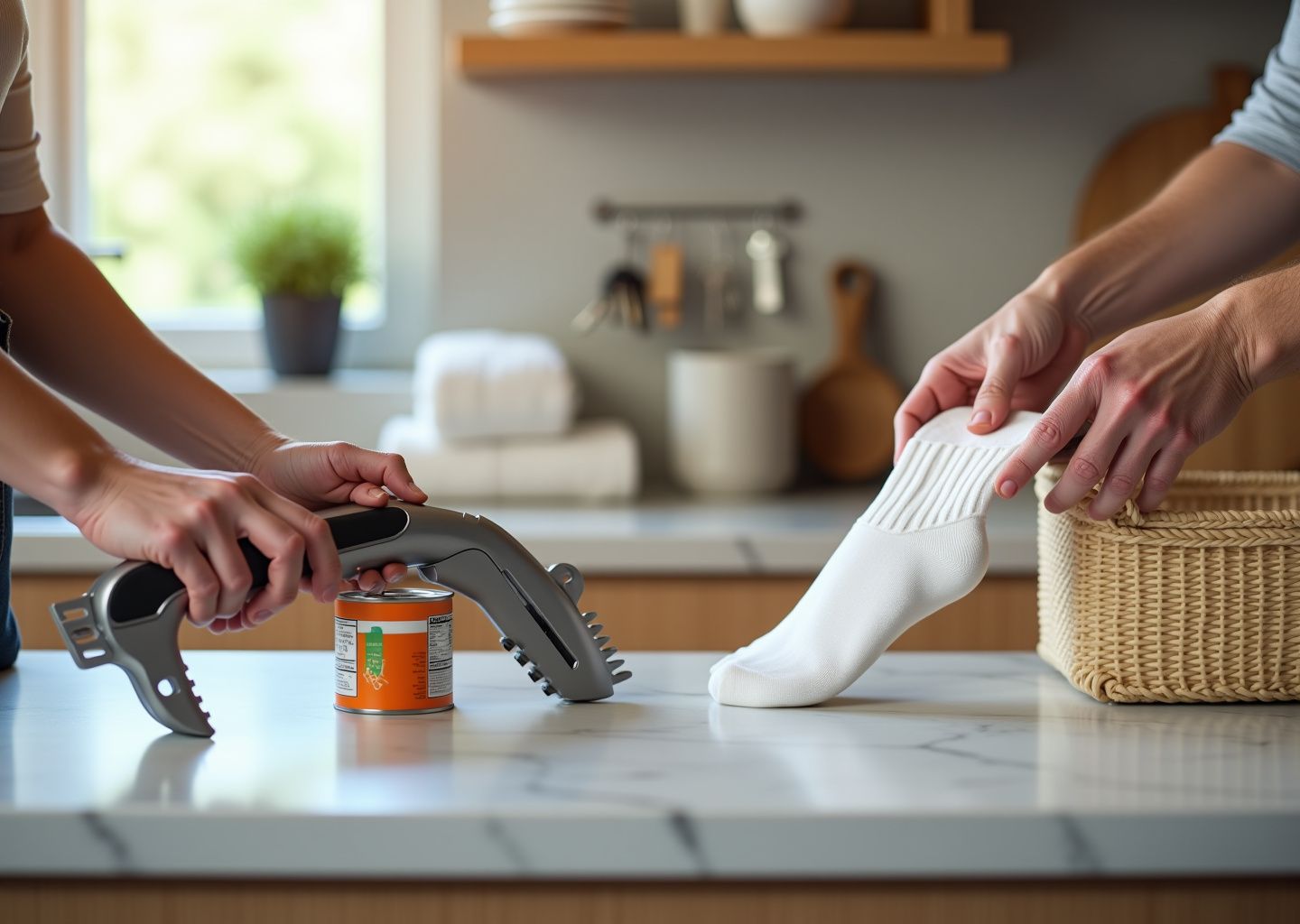
Reacher grabber tools help people stay independent by extending reach for dressing, kitchen tasks, bathroom use and more. This article compares heavy duty and lightweight grabbers, explains features to prioritize, and offers practical buying, safety and care guidance tailored to daily living needs in US homes. The terms “reacher” and “grabber” are used interchangeably to describe these tools. Read on for evidence-based tips and recommendations.
Why reacher grabbers matter and when to choose heavy duty or lightweight
A reacher grabber is more than just a long stick with a claw. For many, it’s a key to maintaining independence at home. If you’re recovering from surgery, living with arthritis, or dealing with limited mobility or balance issues, this simple tool can make a world of difference. It bridges the gap between what you can reach and what you need, eliminating dangerous bending, stretching, or climbing. It means you can grab the TV remote that fell on the floor, retrieve a can from a high kitchen shelf, or even pull on your socks without assistance. The real question isn’t whether you need one, but which type is right for your daily life. The choice almost always comes down to two categories: heavy duty and lightweight.
Lightweight Reacher Grabbers
These are the go-to tools for indoor, everyday tasks. A lightweight reacher is typically made from aluminum and plastic, keeping its total weight low. You’ll find most models weigh between 6 and 9 ounces, which is light enough to use repeatedly without causing arm or hand fatigue. Their load capacity is generally limited to about 1 to 2 pounds. This is plenty for picking up items like clothing, mail, a dropped pill bottle, or a piece of paper. Their jaws are often fitted with soft rubber tips, perfect for handling delicate objects without causing damage. A lightweight reacher for dressing is an excellent aid, helping you pull on socks or retrieve clothes from a closet. Because they are designed for less demanding jobs, they are often more portable, with some models even folding for easy storage or travel.
Heavy Duty Reacher Grabbers
When you need more muscle, a heavy duty model is the answer. These tools are built for durability and strength. They often feature a sturdier aluminum shaft or even steel components, with reinforced jaws designed for a secure grip. A heavy duty reacher will weigh more, usually 10 ounces or more, and can safely lift objects weighing up to 5 pounds. This makes them ideal for grabbing heavy soup cans from a pantry, retrieving a full bottle of laundry detergent, or for outdoor chores. Many people use them for yard work like picking up small branches, pinecones, or litter. The trade-off for this power is the extra weight, which can be challenging for someone with limited arm strength or severe arthritis. A good heavy duty reacher grabber review will often highlight the strength of the jaw and the durability of the frame, as these are its main selling points.
The right tool depends entirely on your daily routine and physical abilities. Consider your own needs. If you have significant hand pain or low grip strength, the minimal effort required to operate a lightweight model is a huge benefit. Its primary role is to extend your reach for light items around the house. For example, in the kitchen, it’s perfect for grabbing a cereal box but not for a cast iron skillet. In the bathroom, a rust-proof aluminum model can easily pick up a dropped soap bar or shampoo bottle, which is a great way to improve your safety. You can explore more ideas on our page about bathroom safety aids.
On the other hand, if you need a tool that can handle more demanding tasks, the heavy duty option is better. A caregiver might find a robust, heavy duty grabber more versatile for assisting someone with a wide range of needs. If you live in a house with a yard, it becomes an indispensable tool for outdoor maintenance without straining your back. The key is to match the tool’s capacity to the job. Using a lightweight reacher to lift something too heavy can damage the tool or lead to dropping the item, creating a new hazard.
Ultimately, the best reacher grabber for seniors is one that aligns with their specific environment and physical condition. There is no single best tool, only the best tool for you. Before making a purchase, it’s wise to verify the tool’s weight and load capacity directly from the manufacturer’s specifications. Recent consumer tests, like the detailed grabber tool reviews from Bob Vila, offer excellent real-world performance data that can guide your decision. This initial choice between heavy duty and lightweight will narrow down your options significantly, preparing you to look closer at the specific features that matter most.
Key features to compare and a practical buying checklist
Choosing the right reacher grabber is about matching the tool’s features to your specific needs. What works for retrieving a can from a high shelf might not be ideal for pulling on a sock. This guide breaks down every feature to consider, helping you compare heavy duty and lightweight options with confidence.
Length Options and Tradeoffs
Length and Your Needs
Most reachers fall between 26 and 32 inches. A 32-inch model like the popular RMS Featherweight is a versatile length for the average user, allowing you to pick items off the floor or grab things from a standard-height cabinet without much strain. Shorter models, around 20 to 26 inches, offer more control and are lighter, making them perfect for tasks done while seated, like dressing or reaching items on a nearby table. For outdoor work or very high shelves, longer models in the 36- to 40-inch range like the EZPik provide maximum reach, but they can be heavier and a bit unwieldy. Telescoping models exist but are less common; fixed-length tools are generally more durable. Consider where you’ll store it; a 40-inch tool won’t fit in a small closet, which is where folding models shine.
Weight and Load Capacity
Device Weight
The tool’s weight directly impacts user fatigue. Lightweight models typically weigh between 6 and 9 ounces. A grabber like the 6-ounce RMS model is easy to hold for extended periods, making it ideal for anyone with arthritis or limited arm strength. Heavy duty models can weigh 10 ounces or more. While a few ounces may not sound like much, the difference is noticeable after just a few minutes of use. Portability is another factor; a lighter tool is easier to carry from room to room or take with you on errands.
Load Capacity
Manufacturers don’t always list a clear weight limit. Heavy duty models are generally tested to hold up to 5 pounds safely, enough for a large can of soup or a bottle of juice. Lightweight models are better suited for items under 2 pounds. As a rule of thumb, look for a tool rated to hold at least twice the weight of the heaviest object you plan to lift. Never use a reacher to lift heavy or fragile items above your head, as this can be a safety hazard.
Jaw and Handle Design
Jaw Types and Grip
The “hand” of the grabber is its most important feature. Look for jaws lined with soft, slip-resistant rubber or silicone. Some models, like the highly-rated Vive Suction Cup Reacher, use small suction cups that provide an excellent grip on smooth, hard objects like jars or bottles. Serrated plastic jaws are better for grabbing fabric like socks or towels. A wider jaw opening (3 to 5 inches) is more versatile for picking up bulkier items.
Handle Ergonomics
The handle should fit your hand comfortably. Most have a pistol-style grip. For users with arthritis or weak grip strength, an ergonomic, padded handle that allows you to use all four fingers to squeeze the trigger is best. It distributes pressure evenly and reduces strain. The trigger pull should be smooth and require minimal force. Some models, like the GrabRunner, are specifically designed with a low-resistance trigger.
Materials, Durability, and Special Features
Construction Materials
The shaft is typically made from lightweight, rust-proof aluminum. This is ideal for use in bathrooms or outdoors. Heavy duty models may use a thicker grade of aluminum or steel components for added strength. The handle and jaw housing are usually made of durable, reinforced plastic. While there are no specific Americans with Disabilities Act (ADA) certifications for these tools, they are widely recommended by occupational therapists to help individuals meet ADA guidelines for accessible reach ranges. Pay close attention to the joints and hinges, especially on folding models, as these are potential weak points.
Helpful Functions
A few extra features can make a big difference.
- Rotating Head A head that rotates 90 degrees, found on models from Vive and RMS, lets you switch the jaw orientation from horizontal to vertical. This is incredibly useful for grabbing objects in tight spaces without having to twist your wrist.
- Folding Design If storage space is tight or you want to travel with your reacher, a folding model is a great choice. Ensure the locking mechanism is secure and doesn’t wobble when in use.
- Magnetic Tip A small magnet on the jaw’s tip is perfect for retrieving small metal items like keys, pins, or dropped screws.
- Locking Jaw Some grabbers have a lock that holds the jaw closed, allowing you to maintain a grip on an item without continuously squeezing the trigger.
Price and Warranty
You can find excellent lightweight reachers for under $25, with some discounted models available for around $17. Heavy duty or feature-rich models typically cost between $25 and $40. A higher price often reflects more durable materials, a stronger folding hinge, or better ergonomics. Look for products with at least a one-year warranty for added protection.
Quick Buying Checklist and In-Store Test
Use this checklist to compare models. If you’re in a store, ask if you can try it out.
- Length Is it right for your height and primary tasks?
- Weight Can you hold it comfortably at arm’s length for 30 seconds?
- Jaw Grip Does it have a non-slip lining? How wide does it open?
- Handle & Trigger Is the handle comfortable? Is the trigger easy to pull?
- Rotating Head Does the jaw rotate? Is the mechanism smooth?
- Build Quality Does it feel sturdy? Are the joints secure?
Using Your Reacher Grabber: Testing, Safety, and Care
Once you have your new reacher grabber, it’s time to see how it performs in your own home. A tool that works perfectly in a store might feel different when you’re trying to grab the TV remote from under the couch. Running it through a practical, real-world obstacle course during the return period is the best way to confirm you made the right choice.
Putting Your Reacher to the Test at Home
Before you rely on your reacher, give it a thorough test drive. This helps you understand its strengths and limits. Try this simple routine with both lightweight and heavy-duty models to feel the difference.
- The Lightweight Challenge: Start with small, light objects. Try picking up a sock, a piece of paper, a coin, or a pill from the floor. This tests the precision and sensitivity of the jaws. A good lightweight reacher should handle these delicate tasks easily.
- The Kitchen Gauntlet: Move on to the kitchen. Use the reacher to retrieve a cereal box from a high shelf. Grab a can of soup from the pantry. Try picking up a plastic water bottle or a book. This is where you’ll notice the difference in grip strength. A heavy-duty model should feel more secure with a full can, as noted in many user reviews which praise models like the Vive Suction Cup Reacher for its solid grip. (Suggested alt text for an image: A person using a heavy-duty reacher with rubber-tipped jaws to securely lift a 15-ounce can of beans from a low cabinet.)
- Awkward Angles: Test the reacher’s ability to function at odd angles. Can you pull a book from a crowded bookshelf? Can you grab your keys off the hook by the door or retrieve a TV remote from under a sofa? If your model has a rotating head, this is the time to see how useful that feature is for getting into tight spots without twisting your wrist.
- Outdoor Tasks: If you plan to use it outside, take it for a spin. Try picking up fallen leaves, small twigs, or a discarded newspaper. This tests its durability against different textures and surfaces.
Safety First: Using Your Reacher Correctly
A reacher is a tool for safety, but it requires safe handling. Always prioritize your stability. When using a reacher on stairs, always maintain three points of contact. This means two feet and one hand on the handrail, or one foot and two hands if you need to brace yourself. Retrieve the object, then regain your three points of contact before moving. On wet surfaces like a bathroom floor or kitchen spill, plant your feet firmly before reaching. Avoid leaning too far, which can shift your center of gravity and lead to a fall. Occupational therapists often advise against using a reacher while standing on one foot, especially for those with balance issues. If you must, brace yourself against a wall or sturdy piece of furniture. Before using a new reacher, run your hand along the shaft and handle to check for any sharp plastic edges. If it’s a folding model, test the lock to make sure it’s secure.
Simple Modifications and Must-Have Accessories
You can often improve a good reacher with a few simple tweaks. If the trigger feels hard on your hands, especially if you have arthritis, wrap it with foam pipe insulation or padded sports tape for a softer, larger grip. For slippery items, apply a small strip of non-slip bathtub tape or silicone tape to the inside of the jaws. Many users also add a small, powerful neodymium magnet to the jaw with epoxy, making it easy to pick up keys or other small metal items. A simple wrist tether, made from a shoelace or cord, prevents you from dropping the reacher itself. For storage, install a simple broom holder clip on the wall next to your bed, favorite chair, or in the bathroom for easy access.
Cleaning, Care, and Storage Strategies
Keeping your reacher clean is important, especially if it’s used in the kitchen or bathroom. For aluminum and plastic models, a simple wipe-down with a disinfectant cloth or a solution of mild soap and water is usually enough. Clean kitchen reachers after any contact with food surfaces. Bathroom reachers should be cleaned daily or every other day. For outdoor reachers, wipe off any dirt or moisture before storing to prevent rust on any steel components. In a small home, a folding reacher is a great space-saver. If you have multiple reachers, consider color-coding them with tape. For example, red for the kitchen, blue for the bathroom, and green for outdoors. This prevents cross-contamination and ensures you always have the right tool for the job.
A Note for Caregivers
Reachers are also excellent tools for caregivers. Using a reacher to hand an item to a person in bed or a chair can prevent you from straining your back by leaning and reaching. You can also use a sturdy reacher to gently reposition a blanket or move an item like a book on their lap without disturbing them. Always ensure you are using a clean reacher and explain what you are doing to avoid startling them.
Reachers in Action: Mini Case Studies
- For an elderly apartment dweller: Maria, 82, primarily needs help with dropped items like her remote or pills. A lightweight, 32-inch reacher like the RMS Featherweight is perfect. It’s not tiring to use, and she keeps it clipped to her walker for constant access.
- For a gardener: David, 65, loves his garden but hates bending over. A long, 40-inch heavy-duty reacher like the EZPik helps him pick up fallen apples and pull weeds without straining his back. Its robust build holds up to outdoor use.
- For post-surgery recovery: After hip surgery, Sarah, 45, has strict bending restrictions. A 32-inch reacher with a rotating head, similar to the top-rated Vive Rotating Reacher, becomes her best friend. She uses it to get dressed, pull items from low drawers, and maintain her independence safely during recovery, a practice highly recommended by the VA for veterans in similar situations.
(Suggested alt text for an image: A person recovering from surgery sits in a chair and uses a reacher with a rotating head to help put on a sock.)
Conclusions and recommendations for choosing the right tool
Choosing the right reacher grabber comes down to matching the tool to your daily life. It’s not about finding one perfect tool, but the perfect tool for you. The main choice is between heavy duty and lightweight models. Heavy duty reachers, often built with stronger metal shafts, are your workhorses. They are designed for lifting heavier items like canned goods, full water bottles, or garden debris, safely handling up to five pounds. Their sturdiness comes at the cost of weight, usually tipping the scales at 10 ounces or more. Lightweight reachers are all about convenience and reducing strain. Weighing as little as six ounces, they are ideal for repetitive tasks, retrieving small objects like a dropped pill, or for anyone with limited hand strength. They are perfect for dressing assistance, grabbing a TV remote, or reaching a cereal box from a high shelf.
To simplify your decision, here is a prioritized checklist of the five most important factors to consider.
- Primary Use and Weight Capacity.
First, decide what you’ll be lifting most often. For light household items and dressing, a lightweight model is sufficient. For anything over two pounds, or for outdoor use, a heavy duty grabber is a safer bet. - Length and Environment.
Consider your height and where you’ll use the tool. A 32-inch reacher is a versatile length for most adults, whether standing or sitting. If you primarily need it from a wheelchair or bed, a slightly shorter 26 to 30-inch model might offer better control. For outdoor tasks, a longer 36- to 40-inch tool will save your back. - Tool Weight and Ergonomics.
The tool should feel like an extension of your arm, not a burden. If you have arthritis or diminished strength, look for models under 9 ounces with a comfortable, padded handle and an easy-pull trigger. The best ergonomic designs require minimal pressure to close the jaw. - Jaw Type and Grip.
The business end of the reacher is critical. Jaws with rubberized or suction cup linings, like those on the top-rated Vive models, offer a superior grip on slippery or odd-shaped items. Serrated plastic jaws are great for securing a hold on fabric or paper. A wider jaw opening is better for grabbing bottles and cans. - Helpful Features.
Extra features can make a big difference. A rotating head allows you to adjust the jaw angle without twisting your wrist, which is invaluable for getting into tight spaces. A folding mechanism is excellent for travel and storage. Some models even include a magnetic tip for picking up keys or a post to help with pulling on socks.
To make it even clearer, here are some recommendations for different types of users.
For the Independent Senior Needing Daily Assistance
Your priority should be minimizing physical strain. Look for a lightweight model (6 to 9 ounces) with exceptional ergonomics. A comfortable handle and a trigger that requires very little effort are non-negotiable. A 32-inch length is usually perfect for reaching items in cupboards or helping with dressing. A rotating head is a fantastic feature for tasks like pulling on socks or retrieving clothes from the closet. The RMS Featherweight is a standout in this category for its low weight and user-friendly design.
For the Caregiver or Household Helper
You need a versatile and durable tool. A heavy duty reacher with a sturdy aluminum frame is your best choice. Prioritize a strong jaw with a high grip rating to confidently lift items up to 5 pounds, such as laundry detergent or groceries. While weight is less of a concern, a comfortable handle is still important for repeated use. Models like the Unger Rugged Reacher are built for this kind of reliable, everyday work.
For the Active Gardener or Homeowner
Your needs are all about reach and resilience. A long, heavy duty model is essential. Look for a reacher around 36 to 40 inches to easily pick up yard debris, fallen fruit, or trash without constant bending. A rust-proof aluminum construction is critical for outdoor durability. A strong, wide jaw will help you grab everything from small branches to discarded cans. The EZPik 40-Inch Long Reach Grabber is a popular choice for these exact tasks.
Before you start using your new tool, please keep these safety and maintenance tips in mind.
- Safety Reminders
Never use a reacher grabber to support your body weight or to help you stand up. Always respect the tool’s weight limit to avoid breaking it and causing an accident. Be cautious when reaching for items on high shelves to ensure they are stable and won’t overbalance. Avoid using the tool to retrieve hot items from a stove or oven. - Maintenance Checklist
Keep your reacher clean by wiping it down with a damp cloth and mild soap. If used in the bathroom, disinfect it regularly. Always dry the tool thoroughly, especially any joints or hinges, to prevent rust. Periodically check that all screws are tight and that the trigger mechanism operates smoothly.
You are now equipped to make an informed choice. The final step is to compare the latest models. We recommend reading recent tests, like the ones from Bob Vila or Reviewed, to see how top contenders perform in head-to-head comparisons. Always verify the product specifications before you buy, and if possible, test a few models at a local store to see how the handle and trigger feel in your hand. A reacher grabber is a small investment that pays huge dividends in safety and independence.
For more information on creating a safer and more accessible home, explore our related guides on bathroom safety, dressing aids, and adaptive kitchen tools.
***
Suggested Keywords: best reacher grabber for seniors, heavy duty reacher grabber review, lightweight reacher for dressing, how to choose a grabber tool, ergonomic reacher handle, rotating jaw grabber tool, grabber tool weight capacity, folding reacher for travel.
Suggested Meta Description: Find the best reacher grabber for your needs. Our 2025 guide compares heavy duty vs. lightweight options with a buying checklist and recommendations for seniors.
Suggested Tweet: Choosing a reacher grabber? Our guide breaks down heavy duty vs. lightweight models to help you find the perfect tool for dressing, gardening, or daily tasks at home. #ReacherGrabber #IndependentLiving #SeniorCare
Suggested Internal Links: Use our buying checklist to narrow your options, or visit our Frequently Asked Questions for more answers.
Sources
- The Best Grabber Tools of 2025, Tested and Reviewed – Bob Vila — We tested seven top models and found the Vive Suction Cup Reacher Grabber Tool, with its sturdy metal construction and smart jaw design, to …
- Top 5 Best Reacher Grabber Tools Reviews in 2025 – YouTube — … please leave us a message so we can resolve the issue or notify me via YouTube comments or email. © All rights reserved by respective owners.
- 6 Best Grabber Tool for Elderly 2025! No More Strain – YouTube — grabber reacher tool* to help you or your loved ones with mobility challenges. Timelaps 0:00 – Intro: Best Grabber Tool for Elderly 0:32 …
- The Best Reacher Grabber Tools of 2025 – Reviewed — We tested 11 popular reacher grabber tools—including the well-advertised Birdrock, Grab-It, and Gopher—and landed on the Vive Rotating Reacher …
- Buy Best Reacher Grabber Tools – Rehab Store — Lightweight Aluminum Reacher. MISCELLANEOUS. 4.6 star rating 38 Reviews. $23.46 $17.42. Save Upto 50%. View Details.
- The 2 Best Grabber Tools Of 2025 | Reviews By Wirecutter – holido — Shop Hand Tools The 2 Best Grabber Tools Of 2025 | Reviews By Wirecutter Unbranded Reachers & Grabbers.
Legal Disclaimers & Brand Notices
Medical and Safety Disclaimer
The content provided in this article, including discussions of mobility aids, recovery from surgery, and safety tips for seniors, is for informational purposes only. It is not intended to be a substitute for professional medical advice, diagnosis, or treatment from a qualified healthcare provider, physical therapist, or occupational therapist. Always seek the advice of your physician or other qualified health professional with any questions you may have regarding a medical condition, recovery protocols, or the suitability of assistive devices for your specific needs.
Trademark Acknowledgement
All product names, logos, and brands mentioned in this article (including, but not limited to, RMS Featherweight, EZPik, Vive Suction Cup Reacher, GrabRunner, and Unger Rugged Reacher) are the property of their respective owners. The use of these names, trademarks, and brands is for identification and informational purposes only and does not imply endorsement or affiliation with the content publisher.