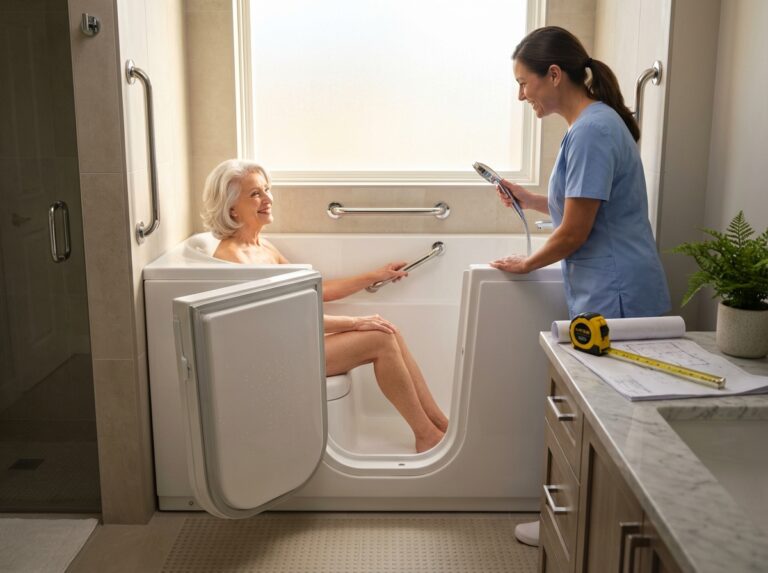
Choosing the right shower chair makes daily hygiene safer and more comfortable for seniors who value independence. This guide examines stability, cushioning, materials, and price to help caregivers and older adults compare options for 2025. You’ll get clear buying criteria, top recommended categories and models, maintenance tips, and answers to common questions for use at home or in assisted living.
Why a good shower chair matters for senior safety and independence
The bathroom is frequently cited as the most hazardous room in a home for older adults. Annual estimates indicate that more than 235,000 emergency room visits in the United States are caused by bathroom-related injuries. Slippery floors and wet surfaces contribute to approximately 80 percent of these incidents. For seniors aged 65 and older, the risk is significantly elevated, with one in four experiencing a fall each year. Many of these accidents occur during the act of bathing. Using a shower chair for seniors is a proven method to mitigate these risks. Research suggests that adding a stable seat to the shower can reduce the likelihood of falling by up to 50 percent in a home setting. This equipment provides a secure seated position, which is vital because standing on a wet surface requires significant balance and muscle strength that may diminish with age.
Reducing Fall Risk and Physical Fatigue
Fatigue is a hidden danger in the shower. When an older adult stands for a prolonged period in a warm, humid environment, blood pressure can fluctuate, potentially leading to dizziness or a sudden loss of energy. For seniors with compromised balance, fatigue increases the probability of a slip by roughly 30 percent. A shower chair allows the user to rest their muscles and focus on hygiene without the anxiety of losing their footing. It also alleviates joint strain; sitting during a shower can reduce stress on knees and hips by 40 to 60 percent. This makes the experience significantly more comfortable for those managing arthritis or chronic pain, allowing seniors to complete their routine without exhaustion.
Preserving Dignity and Supporting Caregivers
Maintaining independence is a priority for most aging adults. Bathing is an inherently private activity, and many seniors feel a loss of dignity when requiring assistance. A shower chair enables approximately 70 percent of users to continue bathing independently, particularly during post-surgical recovery. It provides the physical stability needed to reach the feet or back without overextending. When a caregiver is necessary, the chair enhances safety for both parties. It provides a fixed point for the senior, preventing the caregiver from having to support the individual’s full weight on slippery surfaces. You can find excellent options in this list of the Top 5 Shower Chairs for Seniors in 2025 – Living Caring which highlights models designed for both independence and assisted care.
When to Consider a Shower Chair
Specific scenarios elevate a chair from a convenience to a necessity. If you are recovering from a hip or knee replacement, a chair is often mandatory for adhering to post-operative precautions. It is also recommended for anyone experiencing limited balance, vertigo, or frequent dizzy spells. If you find yourself gripping the towel rack or sink for support while entering or exiting the shower, it is time to evaluate bathroom safety for elderly individuals. Chronic fatigue from conditions like heart disease or respiratory issues also makes a seat a prudent choice. Even for those who feel steady, having a chair available for days when joint pain flares up can prevent a serious accident.
Comparing Chairs, Grab Bars, and Transfer Benches
Selecting the right mobility aids requires understanding the distinct functions of different tools. Grab bars are an essential baseline, reducing falls by approximately 32 percent. However, combining grab bars with a shower chair increases fall prevention effectiveness to nearly 58 percent. While grab bars assist with the transition of standing or sitting, they do not mitigate the fatigue of standing during the shower itself. A transfer bench serves a different purpose, designed specifically for users who cannot safely step over a bathtub wall. The bench straddles the tub edge, with two legs inside and two outside, allowing the user to sit and slide into the bathing area. This design bridges the obstacle and makes transfers 50 to 60 percent safer for those with limited leg mobility. For a comprehensive look at different styles, you might review The Best Shower Chairs for the Elderly of 2024 | AssistedLiving.org to see how various designs fit different bathroom layouts.
Professional Guidance and Insurance Coverage
Consulting a professional is advisable before finalizing a purchase. Occupational therapists, who specialize in home safety, often recommend height-adjustable chairs to ensure the user’s feet remain flat on the floor for maximum stability. Regarding costs, coverage varies. While Medicare Part B covers Durable Medical Equipment (DME), standard shower chairs are often classified as “convenience items” and are not covered. However, commode chairs (which can be used in the shower) or specialized bariatric models may be covered if prescribed as medically necessary. Many Medicare Advantage (Part C) plans offer broader coverage for bathroom safety items. Always verify with your specific provider to understand your plan’s benefits for 2025.
Essential Home Safety Checks
After selecting one of the best shower seats 2025, perform a safety audit. Ensure the shower floor is stable; the chair should support the user’s weight without wobbling. A prudent safety margin is to choose a chair with a weight capacity 1.5 times the user’s actual weight. Pair the chair with a high-quality non-slip mat to reduce slip risks by up to 70 percent. Lighting is often overlooked; the bathroom should have bright, even illumination (ideally 300 lux or higher) to prevent missteps. Finally, ensure shower controls and the handheld showerhead are within a 24-inch radius of the chair to prevent dangerous leaning. For more reviews on the latest models, check out the Best Shower Chairs of 2025 | ConsumerAffairs® to see which brands are currently leading in safety tests.
How to choose a shower chair focusing on stability comfort and price
Selecting bathroom equipment requires balancing three main pillars: stability, comfort, and price. A buying guide shower chair search yields numerous options, but the optimal choice depends on the user’s physical condition and the home’s layout. Safety is paramount, as the bathroom remains a high-risk area for falls. Look for features that keep the chair planted firmly on wet surfaces while supporting the user without flexing.
Stability features for maximum safety
Wide base and footprint
A chair with a splayed leg design and a wide base is significantly less likely to tip. Seek a model with a footprint of at least 20 inches. This width lowers the center of gravity, preventing the chair from tilting if the user leans to reach for soap or a handheld showerhead.
Non-slip rubber tips
The chair legs must be equipped with large, suction-style rubber tips. High-quality tips provide a high friction coefficient on wet tiles, gripping the floor to prevent sliding during sitting or standing transfers. Inspect these tips regularly, as soap scum and wear can reduce their grip over time.
Cross frames and welded joints
Structural integrity relies on frame construction. Cross frames (X-bracing) distribute weight evenly across all legs, a design common in medical-grade models that supports higher weight capacities. Welded joints are generally superior to bolted connections, as they do not loosen with vibration or repeated use and offer better resistance to corrosion over the product’s lifespan.
Shower seat weight capacity and safety factor
The shower seat weight capacity is a critical specification. Standard chairs typically support between 250 and 350 pounds. Experts recommend a safety factor of 1.5 times the user’s weight. For example, a 200-pound individual should use a chair rated for at least 300 pounds to ensure the frame remains rigid and durable under daily stress.
Comfort features for a better experience
Padded seats and contoured shapes
Hard plastic seats can cause discomfort or skin breakdown for thin individuals. Padded seats reduce pressure points by approximately 30 percent compared to rigid surfaces. Contoured shapes help center the user in the seat, preventing the forward sliding that often precipitates falls.
Backrests and armrests
A backrest provides lumbar support, reducing fatigue by roughly 25 percent during longer sessions. Armrests are equally important for leverage, assisting the user in standing up safely. Lift-up or removable armrests are particularly beneficial for side transfers. Models like the i1204 360° Swivel Shower Chair offer padded armrests that enhance both safety and comfort.
Height adjustability and seat dimensions
An adjustable shower chair USA model typically offers one-inch increments. Set the seat height so the user’s feet rest flat on the floor with knees at a 90-degree angle. Seat depth should be between 16 and 18 inches to support the thighs without impinging circulation behind the knees. Drainage holes are essential to prevent water pooling.
Swivel seats for mobility
A 360-degree swivel seat minimizes the need for the user to twist their torso, which is ideal for seniors with limited hip or spinal mobility. This feature also assists caregivers, allowing them to rotate the patient for washing without moving the heavy chair frame.
Material choices and durability
Anodized aluminum
This is the standard material for a best value shower seat. Weighing between 10 and 15 pounds, it is lightweight and highly resistant to corrosion in humid environments. Aluminum is easy to maneuver if the shower is shared by other family members.
Stainless steel
Stainless steel is heavier, often exceeding 20 pounds, but offers superior strength and durability. It is typically reserved for high-end bariatric models intended to remain stationary. It is the most corrosion-resistant option available.
Molded plastic and padded vinyl
High-density polyethylene (HDPE) is affordable and durable, though it can become brittle after years of UV or heat exposure. Padded vinyl offers comfort but requires diligent drying to prevent mildew in the seams. Always dry these materials after use to extend their service life.
Price tiers and what to expect
| Price Range | Category | Key Features |
|---|---|---|
| Under $50 | Basic Stools | Aluminum legs, plastic seat, no back or arms, ~250 lbs capacity. |
| $50 to $120 | Midrange Chairs | Padded seats, backrests, armrests, 300 to 350 lbs capacity. |
| $120 to $300 | Premium/Bariatric | Swivel seats, reinforced frames, 400 to 500 lbs capacity, long warranties. |
Balancing upfront cost with longevity is key. A $40 basic stool may require replacement within two years due to plastic fatigue or instability. Conversely, a $100 model from a reputable brand like Drive Medical often includes a lifetime frame warranty, making it a sounder long-term investment.
Measurements to take at home
Seat height
Measure from the back of the user’s knee to the floor while wearing typical bathroom footwear. Add one to two inches to this measurement to determine the ideal seat height, ensuring easier standing without joint strain.
Tub width and door clearance
Measure the interior width of the bathtub at the bottom (where the legs sit) and the top. The chair legs must fit within the narrowest point. For wheeled models or transfer benches, verify bathroom door clearance; standard doors are 26-30 inches, but older homes may be narrower.
Prioritized checklist for buyers
- Confirm weight capacity is at least 1.5 times the user’s weight.
- Check for ADA guideline compliance (suggesting at least 250 lbs capacity).
- Verify drainage holes are present to prevent slipping.
- Ensure compatibility with accessories like handheld showers or grab bars.
- Look for tool-free assembly for easier setup.
- Review the warranty for rust coverage and frame stability.
A quality shower chair should feel as solid as permanent furniture. It should not creak or shift under pressure. Focusing on these technical details ensures a purchase that supports safety and independence for years.
Top picks and categories for 2025 with buying rationale
Basic non-swivel stools for small spaces
These stools are the most affordable and compact options available in late 2025. Typically featuring a three or four-leg design with a round or rectangular plastic seat, they suit seniors with relatively good balance who experience fatigue when standing. Their small footprint fits well in narrow apartment tubs or small walk-in showers where a full chair would be obstructive. Most utilize anodized aluminum legs to resist corrosion. Prices range from $30 to $50. Look for a weight capacity of at least 250 pounds. The Medline basic shower stool is a popular example, being lightweight and easy to remove for shared bathrooms. The primary drawback is the lack of back support. Maintenance involves simple wiping with mild soap; ensure rubber tips are non-marking to protect tub surfaces.
Padded shower chairs with back and arms
For seniors prioritizing comfort, a padded chair with a backrest and armrests is the standard recommendation. Padding reduces pressure on the skin by roughly 30 percent, which is vital for those with thin skin or who bathe slowly. Armrests provide critical leverage for sitting and standing, reducing the effort required by up to 40 percent. These models typically cost between $60 and $120. Ensure the seat has drainage holes to prevent water pooling. Brands like LivingCaring offer reinforced models supporting up to 330 pounds. While the wide base adds stability, the padding requires more frequent cleaning to prevent mildew; dry the vinyl after each use. Some brands, such as Drive Medical, offer lifetime warranties on the frame.
Folding and portable shower chairs for travel
Travel can be challenging, but folding shower chairs maintain safety in hotels or family homes. Weighing around 10 pounds, these chairs fold flat for transport in trunks or large suitcases. Prices range from $80 to $150. They are ideal for active seniors or those in small apartments requiring storage. Look for tool-free assembly for quick setup. Nova is a reputable brand for sturdy folding models. Weight capacity is generally 250 to 300 pounds. Note that folding joints may feel slightly less rigid than fixed frames; always ensure locking mechanisms are fully engaged before use. Inspect hinges regularly for wear.
Bariatric shower chairs and reinforced benches
Bariatric models cater to users requiring higher weight capacities and wider seating. Featuring reinforced cross frames and heavy-duty tubing (aluminum or steel), seat widths often exceed 20 inches. Prices range from $150 to $300, with capacities typically reaching 500 pounds or more. This category is essential for stability under significant weight. The Extra Wide Shower Chair is a representative example with a 20-inch seat. These chairs are stable but heavy and difficult to move. Verify footprint measurements against your shower size before purchasing. Maintenance is minimal, but welded joints should be inspected annually.
Transfer benches for limited leg mobility
Transfer benches are the safest solution for seniors unable to step over bathtub walls. Two legs sit inside the tub and two outside, allowing the user to sit and slide across, eliminating the need to balance on one leg. Costing between $100 and $200, they are ideal for post-surgical recovery. Essential features include a sturdy backrest and a side handle. Drive Medical produces widely available models with 400-pound capacities. While they significantly reduce fall risk, they consume substantial space and may require a split shower curtain to contain water. Verify height adjustability matches your tub wall.
Swivel seats and hygiene chairs for caregivers
Swivel chairs rotate 360 degrees, aiding caregivers and seniors with limited mobility by eliminating the need to twist the body. Many include a U-shaped cutout for perineal hygiene. The i1204 360° Swivel Shower Chair is a top 2025 recommendation, combining a 350-pound capacity with lift-up armrests. Prices range from $120 to $220. These are excellent for wheelchair transfers. The swivel lock is a critical safety feature to check before every use. Lubricate the mechanism if it becomes stiff, and ensure the base is rust-resistant.
| Chair Type | Best Mobility Level | Bathroom Layout Fit |
|---|---|---|
| Basic Stool | Good balance, mild fatigue | Small stalls, narrow tubs |
| Padded with Arms | Moderate balance, needs support | Standard showers, wide tubs |
| Folding Chair | Active, frequent travelers | Any space, easy storage |
| Bariatric Bench | High weight, needs wide base | Large walk in showers |
| Transfer Bench | Limited leg lift, surgery recovery | Traditional bathtubs only |
| Swivel Hygiene | Caregiver assisted, very low mobility | Walk in showers, open layouts |
Frequently Asked Questions about shower chairs for seniors
Choosing the best shower chair for elderly users involves understanding how the equipment fits into your daily routine and bathroom layout. This section addresses common queries to ensure a safe purchase. Always consult an occupational therapist for personalized advice regarding specific mobility needs.
Common Questions and Practical Answers
How do I determine the correct seat height?
Measure the distance from the back of the user’s knee to the floor while they are wearing their usual indoor footwear. Add one to two inches to this measurement. This additional height facilitates standing up without excessive strain on the hips or knees. Most modern chairs offer adjustment in one-inch increments. The goal is for feet to rest flat on the floor with knees bent at a ninety-degree angle for optimal leverage.
How should I measure my tub or shower?
Measure the internal width of your bathtub or shower floor at the very bottom. Many tubs are tapered, meaning the top width is wider than the floor. The chair’s footprint must be at least four inches narrower than the flat floor space to prevent the rubber feet from riding up the curved edges, which causes instability. For walk-in showers, verify the door width allows the chair to pass through.
What prevents the chair from sliding on slippery floors?
Safety relies on the rubber tips at the base of the legs. High-quality models use non-slip rubber with a high friction coefficient designed for wet tiles. Ensure the floor is free of soap scum or oily residues, which can compromise grip. Placing a textured non-slip mat under the chair provides an additional layer of security. Always test the chair for stability before use.
How can I prevent rust and corrosion?
Most 2025 models utilize anodized aluminum or stainless steel. Aluminum is naturally corrosion-resistant. However, lower-quality models may use steel hardware that can rust. Look for “rust-proof” or “corrosion-resistant” specifications. Rinse the chair with fresh water after each use to remove mineral deposits and soap, which can accelerate wear.
What is the best way to clean a shower chair?
Weekly cleaning with mild soap or a non-abrasive bathroom cleaner prevents mold and bacteria. Focus on drainage holes and the underside of armrests. Avoid harsh chemicals like bleach unless authorized by the manufacturer, as they can degrade rubber and plastic. Wipe the chair dry or air-dry it in a ventilated area to maintain hygiene.
Are shower chairs suitable for wheelchair transfers?
Standard stools are challenging for wheelchair users. Swivel seats or transfer benches are superior options. A swivel model allows the user to sit facing outward and rotate into the shower, while a transfer bench bridges the tub wall. The i1204 360° Swivel Shower Chair is designed to minimize twisting during these transitions, reducing fall risk.
What are the options for small showers?
For tight spaces, seek a compact stool with a footprint of 17 inches or less. Folding models are beneficial as they can be stored when not in use. For curbless showers, a chair with locking casters may aid caregivers, though a stationary chair with a wide base is generally more stable for independent users. Ensure the chair does not obstruct controls.
How do weight capacities work for bariatric models?
Standard chairs support 250 to 300 pounds. For safety, select a chair with a capacity at least 1.5 times the user’s weight. Bariatric models feature reinforced cross-bracing and wider seats, supporting 400 to 500 pounds. Exceeding the weight limit can cause leg splaying or seat failure.
Does Medicare cover shower chairs?
Medicare Part B typically classifies standard shower chairs as “convenience items” and does not cover them. However, if a commode chair is prescribed for use outside the bathroom due to confinement, it may be covered and can often double as a shower chair. Medicare Advantage (Part C) plans often have broader coverage for bathroom safety devices. Check your specific plan for 2025 details.
When should I replace a shower chair?
A well-maintained aluminum chair should last three to five years. Replace immediately if you detect wobbling, loose joints, or cracks in the plastic. Inspect rubber feet monthly; if the tread is worn or the rubber hardens, replace the tips to maintain grip. Any significant flexing indicates the chair is no longer safe.
Are padded seats hygienic?
Padded seats offer comfort but can trap moisture. Modern closed-cell foam or waterproof vinyl covers resist mold if maintained. Wipe padding dry after every shower. If the vinyl tears, water can enter the foam and breed bacteria; in this case, replace the padding or chair. For most, the comfort benefits justify the minor cleaning requirement.
What accessories improve safety?
A handheld showerhead is essential for seated rinsing. Wall-mounted grab bars provide stability during transfers. A high-quality non-slip mat inside and outside the shower secures footing. Together, these items create a comprehensive safety system.
Quick Reference Safety Table
| Feature | Safety Standard | Practical Tip |
|---|---|---|
| Leg Stability | Wide base (20+ inches) | Check for wobbles on flat ground before use. |
| Grip | 90% friction rubber tips | Replace tips if they look smooth or cracked. |
| Drainage | 4 to 6 holes in seat | Ensure holes are not blocked by soap buildup. |
| Material | Anodized Aluminum | Rinse with fresh water to prevent mineral crust. |
Conclusions and recommended next steps
Choosing a shower chair involves balancing stability, comfort, and price to create a safer bathing environment. With bathroom injuries accounting for a significant portion of senior emergency room visits, the right equipment is a proactive measure that can drastically reduce fall risks. By prioritizing a stable base, appropriate weight capacity, and ergonomic features, you ensure that the chair serves as a reliable aid rather than a temporary fix. This guide has outlined the critical factors to consider for your specific needs as of December 2025.
Summary of Key Selection Criteria
Stability and Safety: The foundation of safety is a wide base (minimum 20 inches) with non-slip rubber tips. Aluminum frames are preferred for their corrosion resistance and lightweight nature. Always adhere to the 1.5x safety factor regarding weight capacity; standard chairs suit users up to 250-300 pounds, while bariatric models with cross-bracing are essential for those exceeding this range.
Comfort and Ergonomics: Comfort encourages consistent use. Padded seats and backrests reduce physical fatigue and pressure points, which is crucial for users with sensitive skin or low endurance. Armrests provide necessary leverage for standing, while drainage holes prevent water pooling that could lead to slipping.
Price and Value: Investment correlates with longevity. While basic stools under $50 serve immediate, short-term needs, mid-range ($50-$120) and premium models ($120+) offer better materials, adjustability, and warranties. A higher upfront cost often yields a lower long-term cost by avoiding frequent replacements.
A Concise Decision Flow for Buyers
Follow these steps to find the right equipment for your home:
- Assess the Bathroom Layout: Measure the tub or shower width at the bottom. Ensure at least 4 inches of clearance between the chair legs and the tub walls. Check the floor for uneven tiles.
- Determine Mobility Needs: If the user cannot step over a tub wall, a transfer bench is required. If twisting is painful or difficult, a swivel seat is the optimal choice.
- Set a Realistic Budget: Determine if this is for temporary recovery or long-term aging in place. Higher budgets unlock durable materials like stainless steel or high-grade aluminum.
- Prioritize Weight and Anti-Slip Features: Select a chair that exceeds the user’s weight by a significant margin. Ensure the seat surface is textured to prevent sliding when wet.
| User Profile | Recommended Category | Key Feature |
|---|---|---|
| Small Shower Stalls | Compact Stool | 17-inch seat width |
| Limited Balance | Swivel Chair | 360-degree locking seat |
| Over 300 Pounds | Bariatric Chair | Reinforced cross frames |
| Tub with High Walls | Transfer Bench | Bridge over the tub edge |
| Post-Surgery Recovery | Padded Chair with Arms | 30% pressure reduction |
Recommended Next Steps for Safety
A shower chair is most effective when part of a broader safety strategy. Install grab bars near the shower entrance and the seated position to assist with transfers. Use non-slip mats both inside the shower and on the bathroom floor to secure footing when exiting. Ensure lighting is bright (300 lux recommended) to improve visibility. Position shower controls and handheld sprays within a 24-inch radius of the seat to prevent overreaching.
Practical Resources and Consultations
Consulting an occupational therapist can provide a tailored home safety assessment and precise height recommendations. You can find these chairs at major retailers or specialized medical equipment stores. Websites like Living Caring provide detailed comparisons of current models. For high-end options, the i1204 360° Swivel Shower Chair is highly regarded for its safety features. Additionally, AssistedLiving.org offers extensive product lists and price comparisons.
Take the time to compare models, read user reviews, and verify return policies to ensure the chair fits your specific bathroom layout. A solid warranty is a good indicator of quality. Start your search today to enhance safety and independence.
References
- Top 5 Shower Chairs with Armrests for Seniors in 2025 | i1204 — If you're looking for a shower chair that combines safety, comfort, and ease of use, the i1204 360° Swivel Shower Chair is our top recommendation for 2025.
- Top 5 Shower Chairs for Seniors in 2025 – Living Caring — 1. Extra Wide Shower Chair with Back and Arms · 2. 360° Swivel Shower Chair with Back and Arms · 3. Bathroom Shower Chair with Arms and Back.
- The Best Shower Chairs for the Elderly of 2024 | AssistedLiving.org — To help you pick the best shower chair for your needs, here are 25 of the best products available along with their price and features.
- Best Shower Chairs of 2025 | ConsumerAffairs® — Find the best chairs, benches and stools for stability and support in the shower. Top picks include Medline, ComfortAble, and Drive Medica.
- The Best Walk-In Showers With Seats – The Senior List — The best walk-in showers with seats for seniors in 2025 are Kohler for design, Safe Step for therapeutic features, and American Standard for budget options.
- Top 10 Shower Chair in 2025 (Top Picks) – YouTube — Top 10 Best Shower Chairs featured in this video: 1 . Ez2Care Shower Bench https://www.amazon.com/dp/B072FDC9CY?tag=reviewinfinite1-20 2 .
- Top Shower Chairs for the Elderly – All Seniors Foundation — Discover the top shower chairs for the elderly. Our guide offers detailed information on types, features, and where to buy. Stay safe and .
- Best Shower Chairs 2025 | Safe & Comfortable Options for Eldly — For seniors: Reduces the chance of slipping and allows them to maintain independence. For disabled individuals: Offers stability and comfort …
- Best Rated – Shower Seats – The Home Depot — Adrinfly22 in. Heavy Duty Aluminum Shower Chair for Elderly and Disabled with 6-Height Adjustable, Arms and Back in Gray.
Legal Disclaimers & Brand Notices
The information provided in this article is for informational purposes only and does not constitute professional medical advice, diagnosis, or treatment. Always seek the advice of your physician, occupational therapist, or other qualified health provider with any questions you may have regarding a medical condition, mobility concerns, or post-operative recovery instructions following procedures such as hip or knee replacements.
All product names, logos, and brands mentioned in this text—including but not limited to Drive Medical, Medline, Nova, and ConsumerAffairs®—are the property of their respective owners. All company, product, and service names used in this article are for identification purposes only. Use of these names, logos, and brands does not imply endorsement.