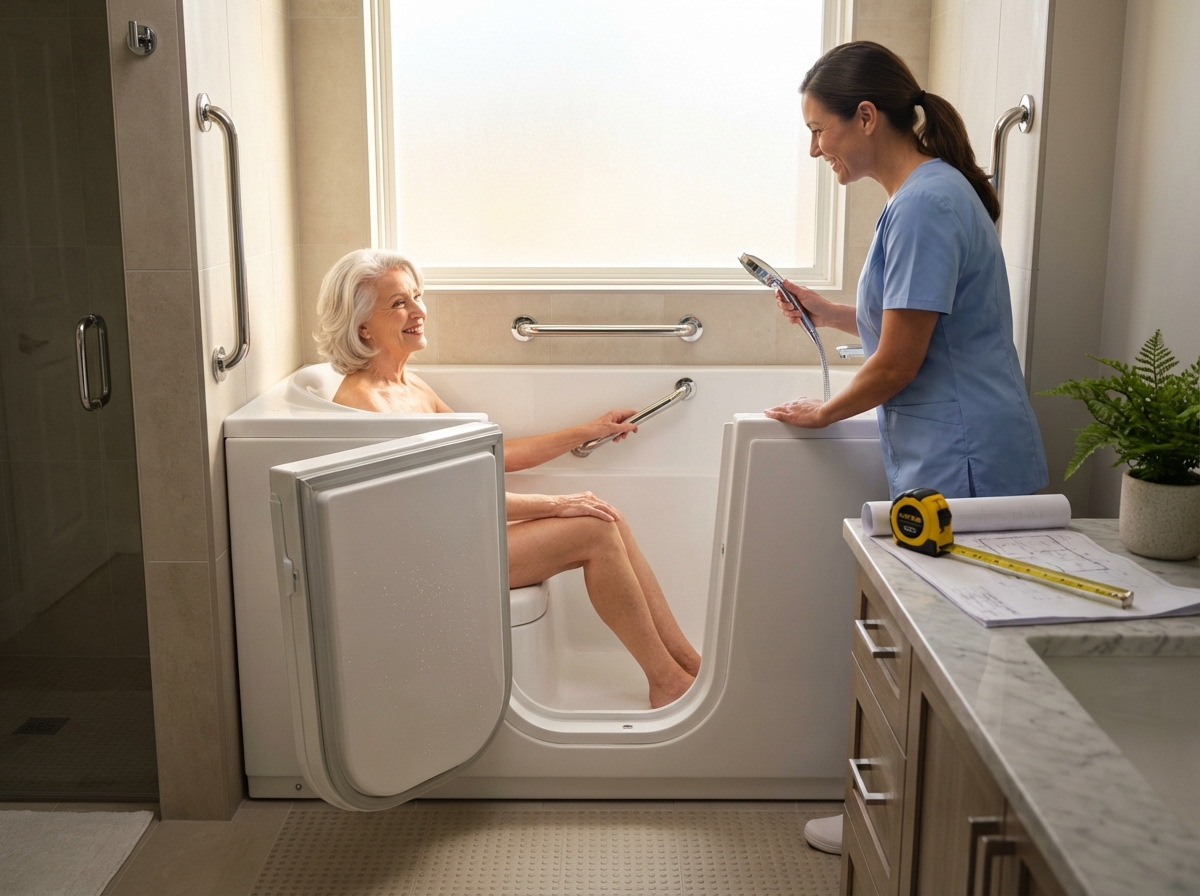
Choosing a walk-in tub can make daily bathing safer and more comfortable for older adults or anyone with mobility needs. This guide breaks down walk-in tub types, realistic 2025 US cost ranges, installation steps, safety features, funding options, and contractor tips so you can plan budget, timeline, and accessibility upgrades that help you stay independent at home.
Why a Walk-in Tub Might Be Right for Your Home
Deciding to upgrade a bathroom often comes down to a single moment of realization about safety. For many people, the traditional bathtub becomes a hurdle rather than a place of relaxation. A walk-in tub solves this by replacing the high side wall with a leak-proof door. This change is vital for older adults who want to stay in their homes as they age, people managing chronic pain, and those recovering from major surgeries. The primary goal is to remove the physical barrier that leads to slips and falls.
Who benefits most from a walk-in tub
Older adults are the most frequent users of these tubs. As balance becomes less reliable, the act of lifting a leg over a standard tub wall—typically 15 to 19 inches high—becomes dangerous. People with limited mobility from conditions like arthritis or multiple sclerosis find the low threshold much easier to manage. Post-surgery patients, particularly those who have had hip or knee replacements, use these tubs to maintain hygiene without straining their new joints. Caregivers also find these tubs helpful; they can assist a person in sitting down and washing without leaning over a high tub edge, significantly reducing back strain for the helper.
Comparing safety and comfort advantages
Standard bathtubs are designed for people with a full range of motion, requiring a person to balance on one leg while stepping into a wet environment. This is a common point of failure for balance. A walk-in tub has a threshold that is usually only a few inches high and features a built-in seat that allows the user to remain upright while soaking. This seat is often at chair height (17 inches), making it easy to sit and stand. While curbless showers are a popular alternative that allows for wheelchair entry, they do not offer the therapeutic benefits of a deep soak. If someone needs the buoyancy of water to relieve joint pressure, a walk-in tub combines the accessibility of a shower with the immersion of a bath.
When to choose a walk-in tub over alternatives
A walk-in tub is the best choice when hydrotherapy is a priority. The deep water allows heat to reach the hips and lower back, something a transfer bench cannot offer. A transfer bench sits across the edge of a standard tub; while it is a low-cost solution, it often leads to water leaking onto the floor and does not eliminate the high tub wall obstacle for the legs. Bathtub lifts—mechanical chairs that lower a person into a standard tub—are functional but can feel clinical and consume valuable space. A walk-in tub feels like a permanent, integrated part of the home, providing a sense of dignity that temporary aids may lack.
Real-world scenarios for decision making
Consider Evelyn, who is 78 years old. She lives alone and has mild vertigo. Stepping over a tub wall feels like a major risk every morning. For her, the built-in seat and grab bars in a walk-in tub provide the stability she needs to bathe without fear, serving as an investment in her ability to avoid assisted living. Then there is Mark, 65, who recently had a total knee replacement. He needs to keep his joints moving and find relief from swelling. The warm water and seating in a walk-in tub allow him to soak his knee without the struggle of sitting down on a low tub floor. He chose a walk-in tub for both long-term recovery and general relaxation.
Cost and practical considerations
The decision to install a walk-in tub involves a significant financial commitment. According to recent market data, walk-in tubs typically cost between $3,000 and $17,000 installed, depending on the brand and necessary bathroom modifications. You can find more details in this guide on Understanding the Cost of Walk In Tubs – National Council on Aging. On average, the unit itself will cost at least $2,000. You must factor in installation costs, which can easily double this amount due to plumbing and electrical work. More information on these figures is available at Average Walk-In Bathtub Prices and Costs in 2025 – The Senior List.
Situations where alternatives are better
A walk-in tub is not always the right answer. If a bathroom is extremely small, the footprint of a walk-in tub might be too large; in these cases, a curbless shower with a fold-down seat is a better use of space. If a person uses a wheelchair and cannot transition to a seat easily, a roll-in shower is the safest option. Another factor is the wait time: a user must sit in the tub while it fills and drains. If a person is prone to getting cold or is impatient, this process can be frustrating. In those instances, a high-quality transfer bench in a standard tub might be a more practical, though less comfortable, choice.
Walk-in Tub Types, Features, and Performance
Choosing the right walk-in tub requires analyzing how different designs and materials function in a real bathroom. The physical build of the tub dictates the space required and ease of daily use.
Door Styles and Entry
Most people start by selecting the door style. Inward-swing doors are standard for smaller bathrooms because they open into the tub area. The design is clever: the weight of the water pushes the door shut, creating a tighter seal as the tub fills. However, the user must be able to step into the tub and maneuver their legs around the door to close it. This can be difficult for someone with very limited leg mobility or large mobility aids.
Outward-swing doors open toward the bathroom floor, creating a wide, unobstructed opening. This is the superior option for individuals transferring from a wheelchair or walker, as there is no need to maneuver around the door once inside. However, the bathroom must have enough clearance for the door to swing out fully without hitting the toilet or vanity. These models feature robust locking handles to ensure the seal remains watertight against the outward pressure of the water.
Thresholds and Combo Units
Low-threshold models focus on the height of the entry step. While a standard bathtub wall is roughly 15 inches high, a walk-in tub reduces this to a few inches. Some ultra-low models offer a threshold as low as two inches, minimizing tripping risks. For households with diverse needs, tub-shower combos are available. These units include a full surround or glass partition, allowing one person to take a seated soak while another uses it as a traditional stand-up shower.
Hydrotherapy and Comfort Features
The features chosen significantly impact the daily experience and maintenance requirements. Hydrotherapy jets use a water pump to create a pressurized massage, excellent for relieving muscle tension and improving circulation. Air jets provide a different sensation, blowing thousands of tiny bubbles for a gentle, effervescent experience. Air systems are generally easier to maintain as they usually include an automatic purge cycle that blows air through the lines after the bath to dry them out, preventing mold or bacteria growth.
Heated seats are often overlooked but critical. Since the user must sit in the tub while it fills (which can take several minutes), a cold seat can be uncomfortable. A heated backrest and seat keep the body warm immediately. Equally important are fast-drain systems. Because the door cannot open until the water is gone, standard drains can leave the user sitting in cooling water. A fast-drain system uses dual drains or a dedicated pump to empty the tub in approximately 60 seconds.
Safety and Materials
Safety features should be the priority when evaluating the average cost of a walk-in tub. Anti-slip floors should be textured into the material, not applied as a sticker. Built-in grab bars provide essential contact points for sitting and standing. A handheld showerhead is also necessary, allowing the user to rinse off while seated and making tub cleaning easier.
Material choice affects lifespan and heat retention. Acrylic is the popular high-end choice; it is non-porous, reinforced with fiberglass, warm to the touch, and stain-resistant. Fiberglass tubs are more affordable, lighter, and easier to install, but can be porous and prone to fading or cracking over time. Reinforced composites aim to provide the strength of acrylic at a lower price point.
The Critical Door Seal
The door seal is the most critical mechanical component. Reputable brands use a medical-grade silicone gasket and often offer a lifetime warranty on this specific part. A leak here can cause significant subfloor damage. While the tub shell may have a long warranty, internal components like pumps and heaters usually have shorter coverage, often between three and five years. You can find more details on walk-in bathtub prices and costs to see how these features impact the final quote.
Realistic Cost Breakdown for Walk-in Tubs in the US
The total price for a walk-in tub installation in 2025 usually falls between $3,000 and $17,000. Most homeowners find that the final bill lands around $10,000 for a mid-range project. This figure includes the tub itself plus the labor required to modify the bathroom. Prices vary based on location, plumbing conditions, and whether structural changes or utility upgrades are needed.
| Expense Item | Estimated Cost Range |
|---|---|
| Entry Level Tub Unit | $2,000 to $5,000 |
| Mid Range Tub Unit | $5,000 to $10,000 |
| High End Luxury Unit | $10,000 to $20,000 |
| Standard Installation Labor | $2,000 to $5,000 |
| Electrical Upgrades | $600 to $1,200 |
| Water Heater Upgrade | $1,000 to $2,500 |
| Removal and Disposal | $500 to $1,000 |
| Permits and Inspections | $100 to $500 |
Unit Price Tiers
The cost of the tub depends on the features chosen. An entry-level model is often a basic soaking tub with a door, lacking jets or heated surfaces. Mid-range models usually include air or hydrotherapy systems and are the most popular choice for seniors. High-end units offer specialized features like aromatherapy, chromotherapy, and fast-drain technology. Materials like acrylic tend to cost more than fiberglass due to durability and ease of cleaning.
Installation and Labor Details
Standard installation involves more than swapping fixtures. Plumbers must often move the drain location to match the new unit, and carpentry work is required to fit the tub into the existing alcove. If the new tub is larger than the old one, contractors might need to move walls or adjust the door frame. Electrical work is a major line item for models with pumps or heaters, requiring a dedicated GFCI circuit to meet safety codes. Floor reinforcement may also be necessary, as a walk-in tub filled with water and a person can weigh over 1,000 pounds.
Sample Budget Scenarios
A basic replacement budget typically totals around $5,000, covering a simple soaking tub and straightforward labor. A mid-range accessible remodel usually costs about $11,000, including a tub with hydrotherapy jets, minor electrical work, and new wall surrounds. A full custom solution can exceed $20,000, accounting for a luxury tub, a new high-capacity water heater, floor reinforcement, and premium tile work. According to How Much Does It Cost to Install a Walk-in Tub? [2025 Data] – Fixr.com, most people pay around $10,000 for a complete professional setup.
Factors That Drive Prices Up
Structural modifications are the biggest variable. If the tub does not fit through the bathroom door, the contractor must remove the frame or widen the wall. Water heater capacity is another hidden cost; most walk-in tubs hold 50 to 80 gallons. If the current tank is only 40 gallons, hot water will run out before the tub fills. Upgrading to a 75-gallon tank or a tankless system adds expense. Additionally, labor rates in major cities like New York or San Francisco are significantly higher than in rural areas. Always set aside a 10% contingency fund for unexpected repairs like mold or rotted subfloors.
Ways to Reduce Costs
To save money, choose a tub that fits the existing footprint to minimize carpentry and tile work. Selecting a manual soaking model instead of one with electric jets eliminates the need for a licensed electrician. Look for financial assistance: some state Medicaid waivers cover environmental accessibility modifications, and the VA offers grants for veterans with service-connected disabilities. A medical tax deduction may be possible if a doctor prescribes the tub. Always get at least three local estimates and ensure each quote includes permit costs and disposal fees.
Preparing the Bathroom: Measuring Checklist and Technical Considerations
Measuring for a walk-in tub requires analyzing the entire path from the street to the bathroom floor. If the tub cannot fit through the front door or around a hallway corner, the project will stall. Start by measuring the width of every doorway and hallway clearance. Most walk-in tubs are between 26 and 32 inches wide. If the bathroom door is a standard 24-inch model, the frame may need removal or the opening widened.
The Tub Footprint and Drain Alignment
Once access is confirmed, check the footprint. Most walk-in tubs fit the standard 60-inch space of an alcove tub, but depth and width vary. Measure the distance from the back wall to the front of the existing tub area and check center-to-center drain measurements. Walk-in tubs come with left-hand or right-hand drains; buying a mismatched model increases plumbing costs. Verify if the drain pipe is 1.5 inches or 2 inches; a 2-inch drain is significantly better for modern fast-drain technology.
Structural Integrity and Floor Joists
A standard bathtub holds about 40 gallons, while a walk-in tub can hold 60 to 80 gallons. Combined with the heavier unit and the user, the total weight can exceed 1,000 pounds. Inspect floor joists for moisture damage or weakness, especially in older or manufactured homes. Reinforcement, such as doubling up joists or adding blocking, prevents sagging or tile cracking.
Water Heater and Flow Rate Requirements
A 30- or 40-gallon water tank is insufficient for most walk-in tubs; the hot water will run out before the tub is half full. Experts suggest a minimum 50-gallon tank or a high-capacity tankless system. Additionally, check the flow rate. Low water pressure can extend fill times to 15 minutes, causing the bather to get cold. Upgrading to 3/4-inch supply lines helps fill the tub faster.
Electrical Circuit and Safety Needs
Tubs with heated surfaces, air jets, or pumps require new electrical work. These features need a dedicated 110-120V circuit with GFCI protection. The connection must be accessible for maintenance but protected from water. Ventilation is also key; the extra steam from the large volume of hot water requires a fan with a high CFM rating to prevent mold.
Caregiver Clearances and Room Prep
If a caregiver assists with bathing, leave at least 30 inches of clearance around the tub. Before contractors arrive, clear the room of rugs and toiletries. In older homes, be prepared for non-standard wall framing that isn’t perfectly square, requiring extra shimming and tile work for a waterproof seal.
Documentation and Photography Checklist
Take clear photos of the current layout to help contractors provide accurate estimates. Use the following table to track measurements.
| Area to Measure | Measurement Needed | Notes for Contractor |
|---|---|---|
| Entry Door | Width and Height | Check for trim removal needs |
| Bathroom Door | Width and Swing Direction | Does it open in or out? |
| Tub Alcove | Length, Width, and Height | Check if walls are square |
| Drain Location | Distance from side/back walls | Left, right, or center? |
| Water Heater | Gallon Capacity | Is it 50+ gallons? |
| Electrical Panel | Available Amperage | Room for a new dedicated circuit? |
According to Average Walk-In Bathtub Prices and Costs in 2025 – The Senior List, the tub is just the starting point. Proper preparation prevents installation costs from spiraling. Documenting these details early saves expensive surprises later.
Hiring Professionals and Do It Yourself Considerations
Deciding how to handle the installation involves a clear assessment of skills. A walk-in tub is not a standard fixture; it requires specific plumbing adjustments and electrical connections that go beyond a typical weekend project.
Professional Expertise vs DIY Limits
When to hire a licensed professional
Hire a licensed plumber for water lines and the drain. Most walk-in tubs require a fast-drain system, often necessitating an upgrade to 2-inch pipes. An electrician is required for hydrotherapy pumps or heated backrests, which need a dedicated GFCI circuit for safety. According to The Senior List, installation can double the base price, reflecting the specialized labor involved.
Reasonable DIY tasks
Save money by handling cosmetic tasks. Prepping walls by removing old wallpaper or loose tiles, painting the room after installation, and installing baseboards or decorative trim are manageable ways to reduce labor costs. Avoid touching the subfloor or main water valves.
Contractor Selection Checklist
Do not settle for the first estimate. Use this checklist to vet potential hires:
- Verify current state licenses for plumbing and electrical work.
- Confirm the contractor carries general liability and workers’ compensation insurance.
- Ask for references from at least three recent walk-in tub installations.
- Compare three detailed written bids breaking down labor and material costs.
- Check if the installer is certified by the specific tub manufacturer.
- Confirm how warranty claims for labor and parts are handled.
- Request a clear timeline and formal payment schedule.
Sample Questions for Potential Contractors
Experience and Logistics
How many walk-in tubs have you installed in the last 12 months? Will you do the work or use subcontractors? Who is responsible for pulling plumbing and electrical permits? How do you protect the rest of the house from dust during demolition?
Technical Specifics
Does my current water heater have enough capacity for this model? Will you need to reinforce floor joists? What is the plan if mold or water damage is found behind the old shower walls? How long will the bathroom be out of commission?
Red Flags to Avoid
Payment and Contracts
Avoid contractors demanding full payment upfront or cash only. A reputable pro asks for a reasonable deposit with milestone payments. Be wary of anyone refusing a written contract or lacking a physical business address.
Behavior and Pressure
Steer clear of installers pressuring you to sign immediately for a “special price.” If they claim permits are unnecessary, they are likely cutting corners. Permits are essential for insurance and future home sales. If a contractor is vague about insurance coverage, do not hire them.
Permitting and Structural Changes
Structural changes make DIY work inappropriate for most. If the floor needs reinforcement, a general contractor must oversee framing. Major plumbing changes require professional calculations to ensure code compliance. Most municipalities require final inspections for electrical circuits and plumbing lines; a professional handles these to ensure safety and insurance validity. Small savings from skipping a pro are not worth the risk of flood or fire.
Frequently Asked Questions
Choosing a walk-in tub involves technical details that can feel overwhelming. These answers address common concerns regarding installation and daily use in 2025.
How long does the installation process take?
A standard installation usually takes one to three days. If the new tub fits the existing alcove without major modifications, the crew might finish in a single day. Projects requiring moved plumbing lines, electrical panel upgrades, or flooring replacement typically take about five days. Installers will need access to the water heater and breaker box throughout the process.
Does Medicare cover the cost of walk-in tubs?
Original Medicare generally does not pay for walk-in tubs as they are not considered Durable Medical Equipment (DME), but rather home convenience items. However, some Medicare Advantage plans might offer partial coverage or a rebate if a doctor provides a written prescription proving medical necessity. Check with your specific plan provider for 2025 benefits. According to The Senior List, average walk-in bathtub prices start around $2,000 for the unit alone, so knowing coverage options is vital.
Can a walk-in tub door leak?
Modern tubs use heavy-duty gaskets and pressure-locking handles to create a watertight seal. Leaks are rare if the tub is installed perfectly level; a tilted frame can cause misalignment. Most reputable manufacturers offer a lifetime warranty on the door seal. If moisture appears, it usually indicates the seal needs cleaning or the hinge requires minor adjustment.
How do you maintain the door seal?
Keep the seal clean by wiping it with a damp cloth and mild soap after each use to prevent soap scum or mineral buildup. Avoid harsh chemicals or abrasive pads. Leave the tub door open when not in use to allow the gasket to expand and prevent deformation from constant compression. Proper care ensures the seal remains flexible and effective.
Are hydrotherapy jets safe for older adults?
Hydrotherapy jets are safe for most and provide relief for arthritis and circulation issues. Intensity is adjustable. However, those with certain heart conditions or sensitive skin should consult a doctor before using high-pressure jets. To prevent bacteria growth, look for models with an auto-purge cycle that dries the lines after the tub drains.
How do I choose between a walk-in tub and a curbless shower?
Choose a walk-in tub if soaking for pain relief or muscle relaxation is a priority. A curbless shower is better for wheelchair or walker users as there is no threshold to cross. Tubs require waiting for fill and drain cycles while inside, whereas showers allow immediate entry and exit. The choice depends on mobility levels and preference for soaking versus showering.
What permits are typically required for installation?
Most local building departments require plumbing and electrical permits. The plumbing permit ensures drains and faucets meet code, while the electrical permit covers the dedicated circuit and GFCI protection. Your contractor should handle applications. recorded permits are crucial for home insurance and future property sales.
What financing or assistance programs may help pay for a tub?
The VA offers HISA grants for veterans to pay for home modifications. Some states provide Medicaid waivers for home and community-based services covering safety equipment. Low-interest home improvement loans or manufacturer financing are also options. According to the National Council on Aging, understanding the cost of walk-in tubs involves investigating these programs, which vary by state. Contact your local Area Agency on Aging for specific local grants.
Final Recommendations: Next Steps and Decision Checklist
Deciding on a walk-in tub requires projecting your physical needs five years into the future. If stepping over a standard tub wall is currently difficult, a walk-in model is a logical tool for maintaining independence. However, you must verify that your balance allows you to stand or sit comfortably while the water fills and drains—a common frustration for new owners. If standing for several minutes is not possible, prioritize a model with a heated seat to maintain warmth during these wait times. Additionally, test the door handle mechanism in a showroom; some require more grip strength than others.
When preparing your budget, remember that the unit price is only half the equation. As noted by The Senior List, while basic tubs start around $2,000, professional installation often brings the total to $10,000, a figure supported by National Council on Aging reports. High-end models can exceed $20,000. Always set aside a 15% contingency fund for hidden issues like plumbing repairs or floor reinforcement.
Decision Checklist
Assess mobility needs
Evaluate current balance and future requirements. Determine if a seated position is necessary and if you can tolerate the fill/drain wait times. Test door latches for ease of use.
Measure the bathroom space
Check door width (many tubs are wider than standard bathroom doors) and the footprint of the current tub. Ensure the new model fits without moving the toilet or vanity.
Set a target budget
Include the cost of the tub, labor, and potential water heater upgrades (50+ gallons recommended). Use data from ConsumerAffairs to compare brand price points.
Identify must-have safety features
Prioritize a low threshold (under 4 inches), integrated grab bars (avoid suction cups), anti-scald valves, and fast-drain technology to prevent chilling.
Contact financial resources
Check for VA HISA grants, state Medicaid waivers, and local Area Agency on Aging grants. Investigate medical tax deductions.
Get three quotes
Compare scopes of work. Ensure quotes include permits, old tub removal, and labor warranties. Verify contractor licenses and insurance.
Confirm warranties and timeline
Read the fine print, specifically regarding the door seal warranty (lifetime is preferred). Confirm the installation timeline (typically 2-3 days).
Maintenance Plan
Commit to wiping the door seal after every use to prevent leaks. Schedule monthly cleanings of internal jets using low-foaming detergent or vinegar to remove biofilm. Plan for a professional service check every two years to inspect pumps, heaters, and electrical connections.
References
- Average Walk-In Bathtub Prices and Costs in 2025 – The Senior List — On average, a walk-in tub will cost at least $2,000, and you'll also want to factor in the costs of installation, which can easily double this amount.
- 2025 Walk-in Tub Cost | Get Estimates – Thumbtack — The national average cost of installing a walk-in tub ranges from around $3,000-$17,000, and most people pay around $10,000, according to …
- Walk In Tub Cost Guide: How Much Does Walk-In Tubs Cost? — The walk in tubs prices can range from a few thousand dollars for a basic model to over $25,000 for a luxury unit with all the bells and …
- Walk-In Tub Cost Guide 2025 | Cost Considerations for Step-In Tubs — Here's the simple view: Walk-in tubs range in price from $3,000 – $15,000 for the tub and $8,000 – $12,000 for installation (on average). With the Safe Step …
- How Much Does It Cost to Install a Walk-in Tub? [2025 Data] – Fixr.com — The national average cost of a walk-in tub is $6,000, and most projects total somewhere between $3,500 and $10,000. Prices vary mostly based on …
- How Much Do Walk-In Tubs Cost? (2025) | ConsumerAffairs® — Walk-in tub costs range from $2,000 to over $20,000 · How much do walk-in tubs cost? · Average cost of a walk-in tub by type · Walk-in tub features …
- How Much Does a Walk-In Tub Cost in 2025? – This Old House — A standard-sized walk-in tub costs about $4,600 on average, but can run between $1,800 and $20,000 or more. Join the 4,492 people who received a …
- How Much Does a Walk-In Tub Cost? A Look at National Averages — Comprehensive Cost Breakdown of Walk In Tub Installation ; Walk In Tub Only, $2,000 – $20,000, Price variation based on brands and products.
- Understanding the Cost of Walk In Tubs – National Council on Aging — Walk-in tubs cost between $3,000–$17,000+ installed, depending on the brand, material, any needed bathroom modifications, and other factors. …
Legal Disclaimers & Brand Notices
The information provided in this article is for informational purposes only and does not constitute professional medical advice, diagnosis, or treatment. Always seek the advice of your physician or another qualified health provider with any questions you may have regarding a medical condition, chronic pain management, or recovery from surgical procedures such as hip or knee replacements.
All product names, logos, and brands mentioned in this text are the property of their respective owners. All company, product, and service names used are for identification purposes only. Use of these names, logos, and brands does not imply endorsement.