This 2025 market review explores medical alert systems with automatic fall detection and how they support independent living at home. We compare technology, accuracy, plans, and real-world use for seniors and caregivers. The article links fall detection to broader daily living aids like grab bars and smart home compatibility to help you choose the safest solution.
Why fall detection matters for independent living
Falls represent the single greatest threat to independent living for older adults in the United States. The numbers provided by the Centers for Disease Control and Prevention are sobering. Every second of every day, an older adult falls in this country. This makes falls the leading cause of injury and injury related death for people aged 65 and older. One out of every four seniors will experience a fall this year. This statistic is not just a number; it represents millions of individuals who lose their confidence or their ability to stay at home. The financial impact is equally massive. Medical costs for fall injuries exceed 50 billion dollars annually. Most of these costs are covered by Medicare and Medicaid, highlighting the scale of the problem for the entire healthcare system.
The Danger of the Long Lie
The immediate injury from a fall is often serious. However, the time spent on the floor waiting for help is frequently more dangerous. Medical professionals call this the “long lie.” When a person falls and cannot get up, they are at risk for several secondary complications. Lying immobile for hours can lead to rhabdomyolysis, a condition where muscle tissue breaks down and enters the bloodstream, potentially causing permanent kidney damage. Dehydration is another immediate threat. If the fall happens in a cold room, hypothermia becomes a factor. Pressure sores can develop in a surprisingly short amount of time. Getting help within the first hour is the most important factor in determining if a senior can return home after a fall. Automatic fall detection removes the need for the user to press a button, which is vital if the person is unconscious or in shock.
Common Hazards in the Home
Most falls happen during routine activities in familiar places. The bathroom is the most frequent site of accidents. Wet surfaces and hard tiles create a high risk environment. Stepping over the side of a bathtub requires significant balance, a moment where many people slip. The kitchen is another high risk area. Spills on the floor can be hard to see. Reaching for items on high shelves shifts a person’s center of gravity, often leading to a loss of balance. Stairs are a major concern as well. A single missed step or a moment of dizziness can result in a tumble down a full flight. Even simple transitions like getting out of bed or rising from a chair can trigger a fall if blood pressure drops suddenly. The Best Medical Alert Systems with Fall Detection are designed to recognize these specific movements and call for help immediately.
The Psychological Toll of Falling
The impact of a fall goes beyond physical bruising or broken bones. The psychological effect is often more restrictive. Many seniors develop a deep fear of falling again. This fear leads them to limit their activities. They might stop going for walks, visiting friends, or even moving around their own homes. This lack of activity leads to muscle atrophy, making their balance even worse. It creates a cycle where the fear of falling actually makes another fall more likely. An alert system acts as a safety net. It gives the user the confidence to remain active. Knowing that help is coming even if they cannot reach a phone allows them to maintain their daily routines. This sense of security is essential for mental health and emotional well-being.
Integration with Practical Aids
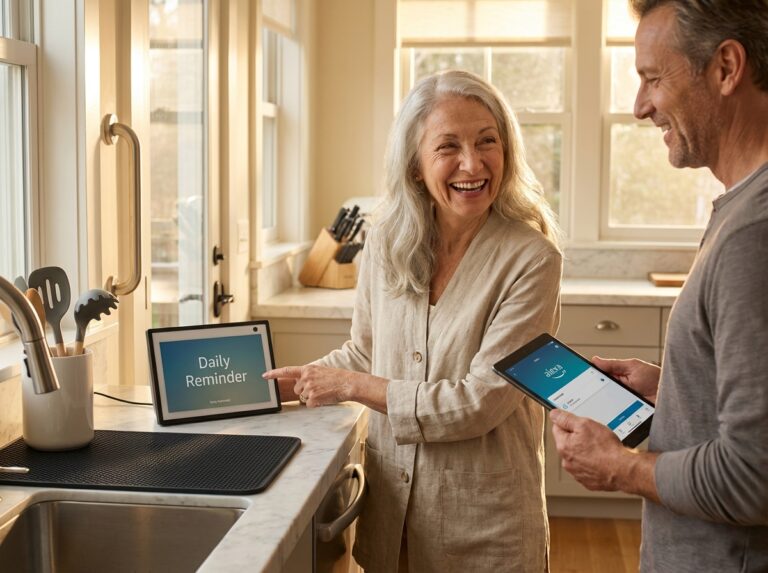
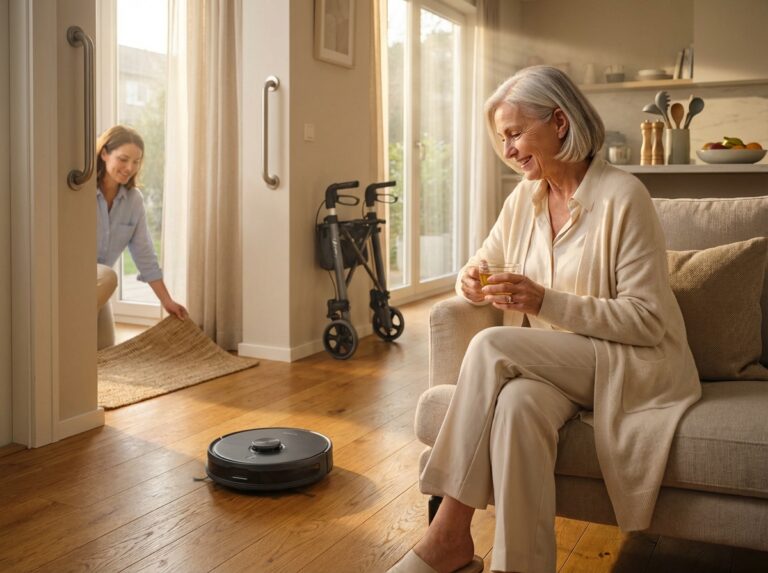
A medical alert system is most effective when it is part of a broader safety strategy. It should work alongside physical modifications in the home. Grab bars in the bathroom provide essential points of contact and should be installed near the toilet and inside the shower. Non-slip mats are necessary for every tiled surface. Raised toilet seats reduce the effort needed to stand up, preventing the dizziness that sometimes occurs with sudden exertion. In the kitchen, using reacher tools prevents the need for dangerous stretching. Improved lighting in hallways and on stairs is another simple but effective measure. The fall detection systems market has grown because these devices fill the gap when physical aids are not enough. They provide the final layer of protection for those who want to age in place.
Preserving Independence in 2025
The goal of these technologies is to preserve independence for as long as possible. Moving to an assisted living facility is a major life change often triggered by a single fall that resulted in a long delay for help. By ensuring a fast response, these systems help seniors recover more quickly, stay in their own homes, and keep their own schedules. The U.S. medical alert systems market is expanding because families want this peace of mind. They want to know their loved ones are safe even when no one else is in the house. This technology is not about monitoring; it is about empowerment. It allows people to live their lives without the constant shadow of what might happen if they slip. The combination of smart sensors and human monitoring centers ensures that a fall does not have to mean the end of living at home.
The Role of Caregivers
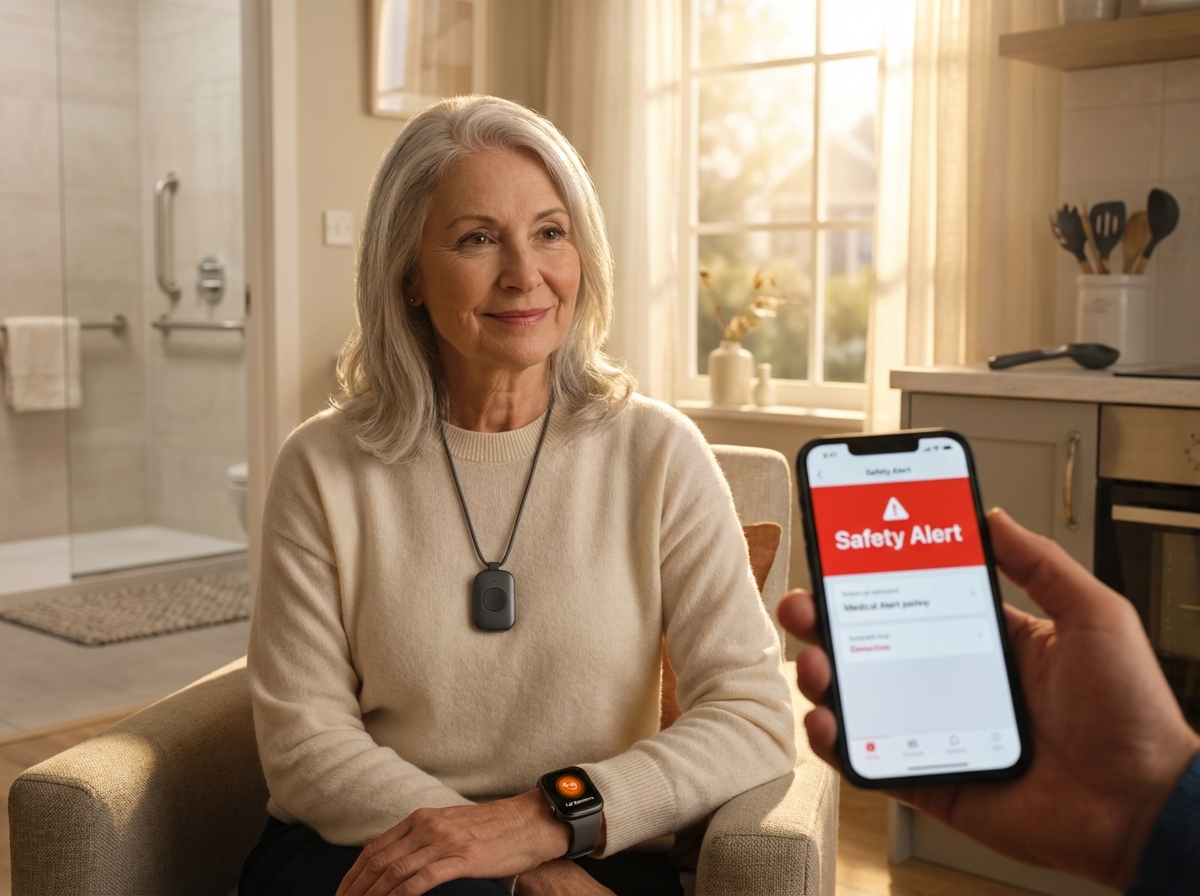
Caregivers also benefit from these systems. The stress of worrying about a parent or spouse can be overwhelming, affecting the caregiver’s own health and work life. When a fall detection system is in place, the caregiver receives notifications on their phone. They can check in through the device and see that help is already on the way. This reduces the burden of constant supervision and allows the relationship to focus on companionship rather than just safety monitoring. The Medical Alert Systems Market continues to innovate to make these notifications more accurate. This reduces false alarms and ensures that when an alert happens, it is a real emergency that requires action. This reliability is the foundation of trust between the user, the caregiver, and the technology.
How automatic fall detection works and what to expect
The Mechanics of Modern Fall Detection Technology
Automatic fall detection relies on a sophisticated blend of hardware and software. Most devices used in 2025 incorporate a tri-axial accelerometer. This component measures the speed of movement in three dimensions, tracking how quickly a person moves forward, backward, or sideways. When a fall occurs, the accelerometer detects a sudden increase in gravitational force, often referred to as the impact event. However, a simple spike in force is not enough to trigger an alarm. Many daily activities like sitting down quickly or dropping a bag can create similar force readings.
To improve accuracy, manufacturers include a gyroscope. This sensor monitors the orientation of the device in space. It calculates the angle at which the wearer is positioned. If the accelerometer detects a hard impact, the gyroscope checks if the person has moved from a vertical position to a horizontal one. A change in angle is a strong indicator that a fall has taken place. Many high end models now also feature a barometer. This sensor measures atmospheric pressure to determine changes in altitude. A sudden drop in height of three to four feet suggests a trip to the floor. This adds a third layer of verification to the detection process.
The Role of Advanced Algorithms
The software inside the device acts as the brain of the system. It follows a specific sequence of logic to decide if an emergency is happening. First, it identifies the initial impact. Second, it analyzes the orientation of the body. Third, it looks for a period of inactivity. If the sensors detect a hard hit followed by a lack of movement for thirty seconds, the system assumes the person is incapacitated. This logic helps reduce false alarms caused by minor stumbles where the person gets back up immediately. According to recent data from the Smart Fall Detection Device Market Size and Forecast 2025 to 2034, the integration of machine learning has significantly refined these algorithms. Modern systems compare real time data against thousands of recorded fall patterns. This allows the device to distinguish between a dangerous collapse and a person simply flopping onto a bed.
Edge Cases and Detection Challenges
No technology is completely foolproof, and current sensors generally have an accuracy rate between 80% and 95%. Certain types of falls remain difficult for sensors to identify. A slow collapse is a primary example. If a person feels faint and slides slowly down a wall, the accelerometer may not register enough force to trigger the alert. This is a common issue in cases of low blood pressure or fainting. Slumping in a chair is another challenge. Because the person remains in a seated position, the gyroscope does not see the horizontal shift required for a fall confirmation. Rapid movements like plopping into a firm recliner can sometimes mimic the signature of a fall, resulting in a false positive. Dropping the device on a hard surface like a tile floor is a frequent cause of accidental activations. Pet owners may also find that large dogs jumping on them can confuse the sensors. These limitations are why manual help buttons remain a standard feature on all fall detection wearables.
Comparing Device Types and Placement
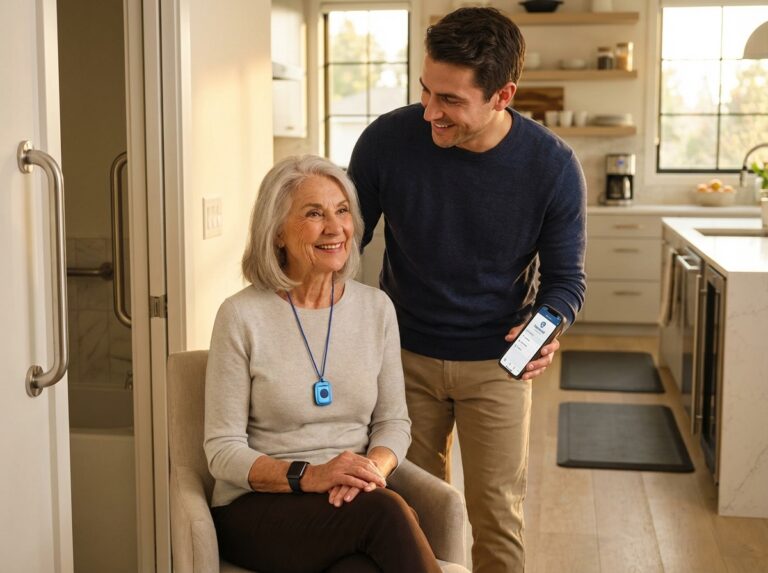
The location of the sensor on the body affects its reliability. Pendants worn around the neck are generally considered the most accurate. They sit near the center of gravity of the body, providing a clear reading of the movement of the torso. Smartwatches are popular but face more technical noise. The hands move constantly during cooking, cleaning, or talking. This extra movement makes it harder for the algorithm to isolate a fall event. While some 2025 firmware updates have improved wrist based detection by using secondary sensors to filter out arm swinging, pendants remain the clinical standard for high-risk users.
In Home and Ambient Sensors
Hub based systems offer an alternative for those who do not want to wear a device. These systems often use wall mounted units equipped with radar or infrared technology. They scan the room for the shape and movement of a human body. If the radar detects a person lying on the floor, it triggers the alarm. These are excellent for bathrooms where people often forget to wear their pendants. Some advanced homes now use floor sensors installed under the carpet or flooring to detect the specific pressure of a fallen body. Camera based systems are also available, using artificial intelligence to recognize a fall visually. These often include privacy filters that turn the person into a stick figure to protect their dignity. Each of these options removes the burden of remembering to put on a wearable every morning.
The Emergency Response Sequence
When a fall is detected, a specific protocol begins. The device will usually beep or vibrate for fifteen to thirty seconds. This is a grace period that allows the user to cancel the alert if they are not hurt. If the user does not intervene, the device places an automatic call to a monitoring center. A trained operator attempts to speak with the user through a two way voice speaker built into the pendant or the home base station. If the operator hears a request for help, they dispatch emergency services. If the user is unresponsive, the operator follows a default protocol, which usually involves calling 911 immediately and notifying family members via SMS. Caregiver apps provide real time updates on the status of the call. This ensures that help is on the way even if the user cannot reach a phone. For more details on top performing brands, you can refer to The Best Medical Alert Systems with Fall Detection (2025) for performance benchmarks.
Battery Life and Connectivity Standards
Reliability depends heavily on the power and signal of the device. Fall detection sensors require constant monitoring, which drains battery life faster than a standard help button. Most 2025 pendants require charging every three to five days, while smartwatches often need a daily charge. If the battery falls below a certain level, the system should send a low battery notification to both the user and their caregivers. Connectivity is another vital factor. Most mobile systems use 5G cellular networks to transmit alerts. If a user lives in an area with poor cell service, the fall detection may fail to connect to the monitoring center. Many systems now include Wi-Fi as a backup to ensure the signal goes through inside the home. Standards set by organizations like Underwriters Laboratories ensure that these devices meet specific requirements for signal strength and battery backup during power outages. Users should always check for the UL 217 or similar certifications when selecting a system.
Top picks and market leaders to consider in 2025
The landscape of medical alert systems in 2025 shows a clear shift toward mobile independence and refined sensor accuracy. While the previous chapter detailed the mechanics of accelerometers and gyroscopes, this section focuses on the specific hardware and service providers that lead the US market today. Choosing a system requires balancing the need for reliable detection with the lifestyle of the user.
Medical Guardian
Product Summary
Medical Guardian remains a top contender with its MGMini Lite and MGMove2 smartwatch. The MGMini Lite is a small, lightweight wearable pendant that offers some of the most consistent fall detection performance in the industry. It is designed for those who want a discreet device that does not look like a traditional medical button. According to NCOA research, this provider is often cited as the best overall for its response speed and device variety.
- Fall Detection Type Wearable pendant or smartwatch.
- Best Use Case Active seniors who leave home frequently and want a small, modern device.
- Pros Fast response times, excellent cellular coverage, and a highly rated caregiver app.
- Cons Higher upfront equipment fees compared to some budget brands.
- Pricing Subscription tiers range from $39.95 to $49.95 per month.
- Battery Life The MGMini Lite lasts up to 3 days on a single charge.
- Capabilities 4G LTE cellular, GPS tracking, and WiFi location services.
- Notable Features Two-way voice, IP67 waterproof rating, and the MyGuardian app for family members.
Bay Alarm Medical
Product Summary
Bay Alarm Medical is known for its straightforward pricing and reliable US-based monitoring centers. Their SOS Mobile device is a compact wearable pendant that integrates automatic fall detection as an add-on service. It is a rugged choice for those who prioritize a simple user experience without unnecessary tech bloat.
- Fall Detection Type Wearable pendant or home-based hub.
- Best Use Case Primarily at-home users or those on a fixed budget who still want mobile protection.
- Pros Affordable monthly plans, no long-term contracts, and high-quality customer service.
- Cons The mobile device is slightly bulkier than the Medical Guardian equivalent.
- Pricing Monthly ranges are typically $29.95 to $45.00 depending on the plan.
- Battery Life Up to 6 days for the mobile unit.
- Capabilities 4G LTE and GPS.
- Notable Features Waterproof design, caregiver tracking, and a wall button option for high-risk areas like bathrooms.
Lively (Best Buy Health)
Product Summary
Lively, formerly known as GreatCall, leverages its partnership with Best Buy to offer the Lively Mobile2. This wearable pendant is unique because it offers access to a Nurse On-Call service. It is a strong choice for users who want medical advice alongside emergency monitoring.
- Fall Detection Type Wearable pendant.
- Best Use Case Seniors who want extra health resources and the ability to buy hardware at a local retail store.
- Pros No equipment fees if purchased during promotions, access to board-certified doctors, and easy setup.
- Cons Activation fees can be high, and the battery requires more frequent charging.
- Pricing Plans range from $24.99 to $49.99 per month.
- Battery Life Approximately 2 to 3 days.
- Capabilities 4G LTE and GPS.
- Notable Features Two-way voice, waterproof rating, and integration with the Lively Link app.
Apple Watch Series 11 and Ultra 3
Product Summary
Mainstream wearables have become serious competitors in the medical alert space. The Apple Watch uses sophisticated algorithms to detect hard falls and can automatically call emergency services. In 2025, firmware updates have further reduced false positives during high-intensity activities like exercise.
- Fall Detection Type Smartwatch.
- Best Use Case Tech-savvy seniors who already use an iPhone and want a multi-functional device.
- Pros No monthly monitoring fee unless using a third-party app, stylish design, and extensive health tracking.
- Cons No dedicated medical monitoring center by default, and the battery must be charged daily.
- Pricing The watch costs $399 to $799, plus a cellular plan fee of about $10 per month.
- Battery Life 18 to 36 hours.
- Capabilities GPS, cellular, and advanced heart monitoring.
- Notable Features Fall detection, ECG app, and integration with smart home locks.
MobileHelp
Product Summary
MobileHelp offers a variety of systems, including the Solo and Duo models. They often bundle a mobile pendant with a home base station, providing a safety net for both environments. Their 2025 models feature improved speaker clarity for two-way communication.
- Fall Detection Type Wearable pendant.
- Best Use Case Seniors who spend time both at home and outdoors and want a redundant system.
- Pros Competitive pricing, no landline required, and easy-to-use hardware.
- Cons The mobile pendant must be worn to detect falls, as the base station cannot see movement.
- Pricing Ranges from $19.95 to $44.95 per month.
- Battery Life Mobile unit lasts about 2 days.
- Capabilities Cellular and GPS.
- Notable Features Waterproof pendants and a tablet-based home hub for some tiers.
Life Alert
Product Summary
It is vital to clarify that Life Alert, while a household name, does not offer automatic fall detection as of late 2025. Their system relies entirely on the user pressing a button. This is a significant limitation compared to the other leaders in this review. They are included here primarily as a warning for those specifically seeking automatic detection features.
Philips Lifeline
Product Summary
Philips Lifeline continues to offer the GoSafe 2, which uses their proprietary AutoAlert technology. This system is designed with a clinical focus and is often recommended by healthcare providers for its high accuracy in detecting true falls versus daily movements.
- Fall Detection Type Wearable pendant.
- Best Use Case Users with high medical needs who want a system backed by a major healthcare brand.
- Pros Highly accurate sensors and a long history of reliability.
- Cons One of the most expensive options on the market with high setup fees.
- Pricing Monthly fees range from $45 to $60.
- Battery Life 2 to 3 days.
- Capabilities Cellular and GPS.
- Notable Features Two-way voice and a medical-grade waterproof rating.
The smart fall detection market has grown significantly in 2025, leading to better sensor integration across all these brands. While the technology has improved, the choice often comes down to whether the user prefers a dedicated medical device like those from Medical Guardian or a consumer wearable like the Apple Watch. Each system listed here provides a different level of support, but they all aim to solve the same critical problem of ensuring help arrives when a fall occurs.
Comparing features costs and legal coverage considerations
Technical Tradeoffs in Modern Fall Detection
Choosing a medical alert system in 2025 requires a careful look at how hardware interacts with software. Automatic fall detection relies on accelerometers and complex algorithms to distinguish between a person falling and a device being dropped. High quality sensors now use artificial intelligence to reduce false positives. This is a major improvement over older models. You must decide between a home hub and a mobile wearable. Home hubs connect to a landline or a cellular base station. They offer a stable connection within a specific range. Mobile units use 5G cellular networks and GPS to provide protection outside the house. GPS accuracy is a critical factor for active users. Some devices now provide location data within a few feet. This helps emergency responders find you in a park or a large parking lot. Waterproofing is another essential feature. Most falls happen in the bathroom. You should look for an IP67 or IP68 rating. This means the device can be submerged in water. Two way audio allows you to speak directly to a dispatcher through the pendant. This feature is standard in 2025. Battery life varies significantly between models. Home based pendants can last years without a charge. Mobile devices usually require charging every three to five days. Some high performance smartwatches need daily charging. You should weigh the convenience of a long battery against the advanced features of a mobile unit.
Understanding the Total Cost of Ownership
The sticker price of a medical alert system is rarely the final amount you pay. While basic monitoring fees can start around thirty dollars, adding automatic fall detection typically increases the price by ten dollars every month. For a comprehensive mobile system with fall detection, users should expect to pay between $45 and $55 per month total. You should also watch for one time costs. Many companies charge an activation fee or a equipment fee upfront. Shipping costs can add another fifteen dollars to your initial bill. Replacement costs for lost pendants or broken chargers can be high, often ranging from $50 to $200 depending on the model. It is wise to ask about a protection plan. These plans often cost a few dollars a month but cover accidental damage and lost devices. The U.S. medical alert systems market has seen a shift toward no contract models. Most providers now allow you to pay month to month. This is better than the long term contracts that were common years ago. You should check the refund policy for unused months. Some companies provide a full refund if you return the equipment within thirty days. Others might charge a restocking fee. The following table illustrates the projected costs for a standard mobile system with fall detection over time.
| Expense Category | Year One Total | Year Three Total |
|---|---|---|
| Monthly Monitoring Fees ($45/mo) | $540 | $1,620 |
| Fall Detection Add-on ($10/mo) | $120 | $360 |
| Activation and Shipping | $100 | $100 |
| Estimated Total Cost | $760 | $2,080 |
Insurance and Government Coverage in the USA
Navigating the financial side of medical alerts involves understanding US specific regulations. Original Medicare Part A and Part B do not cover medical alert systems. They view these devices as personal safety items rather than durable medical equipment. However, Medicare Advantage plans often provide different options. Many Part C plans include a health and wellness benefit that pays for a basic system. You should call your plan provider to confirm this. The Department of Veterans Affairs is a reliable source of support for veterans. The VA often provides medical alert systems at no cost through specific contracted vendors. You will need a referral from a VA doctor to qualify. Private insurance companies sometimes cover the cost if you can prove medical necessity. This requires a letter from your physician. The letter should detail your history of falls or chronic conditions that increase your risk. Long term care insurance policies are another potential source of funding. Some of these policies reimburse the monthly monitoring fees as part of a home care benefit. You should review your policy documents for language regarding personal emergency response systems.
Verifying Service Claims and Monitoring Quality
Marketing materials often make bold claims about response times. You should look for third party verification to confirm these promises. Reliable companies use monitoring centers that are UL Listed. This certification ensures the facility meets strict safety and redundancy standards. Another high standard is the TMA Five Diamond designation. This means every dispatcher has completed extensive training. You can find independent data in reports like The Best Medical Alert Systems with Fall Detection (2025). These reviews often include real world testing of response speeds. A good response time is usually under sixty seconds. Some top tier services average thirty seconds. You should also consider the location of the monitoring centers. Centers located within the United States are subject to domestic privacy laws. Some states have specific licensing requirements for companies that provide emergency monitoring. You can check with your state’s consumer protection office to see if a provider is in good standing. Ask the provider about their Service Level Agreements. A reputable company will be transparent about their average response times and system uptime. You should also verify if the fall detection technology has been tested by independent labs. No system is one hundred percent accurate. It is important to know the limitations of the technology before you rely on it for daily safety.
Data Privacy and Security
Medical alert companies collect sensitive data about your location and health status. Reputable providers use encrypted connections to protect this information and are HIPAA compliant, meaning they follow federal rules for protecting medical data. They should only track your GPS location when an alarm is triggered or when you press the button. Before purchasing, ask the company how they store your data and who has access to it. Most providers do not sell your personal information to third parties, using it only to help emergency responders find you quickly.
Documenting Medical Necessity
If you are seeking reimbursement from insurance, you must be thorough. Ask your doctor to include your specific diagnosis in the medical record. Mention any medications that cause dizziness or balance issues. Keep a log of any near falls or minor stumbles. This data helps build a case for why the device is a medical requirement. Insurance adjusters look for evidence that the device prevents more expensive hospitalizations. A well documented history of mobility challenges makes it much easier to secure coverage. You should also keep copies of all receipts and service agreements. These documents are necessary for tax deductions if you are claiming the system as a medical expense. Consult with a tax professional to see if you qualify for these deductions under current IRS rules.
State Level Regulations
Some states require medical alert companies to hold a private security or alarm business license. This ensures the company follows local laws regarding emergency dispatches. It also means the employees have likely undergone background checks. You should ask a provider for their license number in your state. This is a simple way to verify their legitimacy. Some jurisdictions also have rules about how the system interacts with 911 services. Professional monitoring centers act as a filter. They confirm the emergency before contacting local authorities. This helps prevent fines for false alarms. Understanding these local nuances helps you choose a provider that operates legally and efficiently in your area.
Installing maintaining and integrating a system into daily life
Setting up a medical alert system requires a methodical approach to ensure the technology works when it matters most. The process begins with the placement of the base station. This hub serves as the communication link between the wearable device and the monitoring center. You should place the station in a central area of the home where you spend most of your time, such as a living room or a kitchen. It needs to be on a flat surface away from other electronic devices like Wi-Fi routers or microwaves. These can interfere with the signal. Ensure the outlet you choose is not controlled by a wall switch to prevent accidental power cuts. Once the hub is plugged in, the next step is range testing. This is a two person job. One person stays by the base while the other walks to the furthest points of the property. Test the signal from the basement, the attic, and the mailbox. If the device fails to connect from the garden, you may need to move the hub or consider a mobile system with built in cellular capabilities.
Establishing Emergency Contact Lists
A well organized contact list is just as important as the hardware. Most services allow you to create a hierarchy of responders. The first tier usually includes local family members or neighbors who can arrive quickly for non medical issues. The second tier involves emergency services for serious falls. You must provide the monitoring center with gate codes, hidden key locations, or lockbox combinations. This ensures that paramedics do not have to break down your door to reach you. Keep this list updated every few months, especially if a neighbor moves away or a family member changes their phone number.
Minimizing False Alarms
Automatic fall detection is a sophisticated technology, but it is not perfect. Sensors use accelerometers to measure sudden changes in velocity and orientation. To reduce false triggers, you should wear the pendant at the recommended height, which is usually around the center of the chest. Wearing it too high or too low can confuse the algorithm. If you are doing vigorous housework, tuck the pendant inside your shirt to prevent it from swinging wildly. Avoid dropping the device onto hard surfaces like a nightstand when you take it off. This sudden impact mimics a fall. Instead, place it gently on its charger or a soft cloth. If a false alarm does occur, stay calm and speak into the device to tell the operator it was a mistake. They are used to this and will appreciate the confirmation that you are safe.
Maintenance and Reliability
A medical alert system is only useful if it has power. Establish a strict charging schedule. Many users find it easiest to charge their mobile pendants while they are sitting still, such as during a morning shower or while watching the evening news. Check the battery status lights daily. Beyond power, you should perform a manual test once a month. Press the button and wait for the operator to answer. Tell them you are performing a routine test. This confirms that the speaker, microphone, and cellular connection are all functioning. Some modern systems receive over the air software updates. Keep the base station connected to power and a cellular signal so these updates can install automatically overnight. If the manufacturer suggests a sensor recalibration, follow the manual instructions precisely to maintain accuracy.
Integrating with Daily Living Aids
The alert system is one part of a larger safety ecosystem. It works best when paired with physical modifications in the home. For example, installing grab bars in the bathroom provides physical stability, while the pendant provides a safety net if a slip still happens. Anti slip mats in the hallway and kitchen reduce the friction issues that lead to stumbles. You can also coordinate the use of the device with dressing aids. If you use a long handled shoehorn or a sock aid, keep your pendant on during the process. Dressing is a high risk time for falls because it often involves balancing on one leg. By keeping the device around your neck while using these tools, you ensure help is available during your most vulnerable moments. The The Best Medical Alert Systems with Fall Detection (2025) often feature designs that do not interfere with these daily tasks.
Caregiver Coordination and Apps
Modern systems offer companion apps that allow family members to stay informed without being intrusive. Caregivers can see the real time battery level of the device and the current GPS location of the user. Some apps send a notification every time the device is placed on the charger or taken off. This provides peace of mind that the routine is being followed. If a fall is detected, the app can alert multiple family members simultaneously. This allows for a coordinated response where one person calls the user while another checks the home security cameras or heads to the house. This transparency is a major reason why the Smart Fall Detection Device Market Size and Forecast 2025 to 2034 shows such significant growth in the coming years.
Seasonal Considerations and Travel
Changes in weather and location require adjustments to your routine. In the winter, cold temperatures can cause battery levels to drop faster than usual. If you are spending time outdoors, keep the device tucked under your coat to keep it warm, but ensure it is still accessible. If you travel to a vacation home or visit relatives, you must notify the service provider. They need to update your primary address in their system so emergency services are sent to the correct location. For those who travel frequently, a mobile system with GPS is a better choice than a landline based home unit. Also, be aware that high humidity in the summer can affect some sensors. Always choose a waterproof or water resistant model if you live in a damp climate or plan to use the device in the shower.
Troubleshooting and Medical Evaluation
If you notice a poor cellular signal, try moving the base station near a window. Avoid placing it in a basement or a room with thick plaster walls. If alerts are being missed, check if the device has been submerged in water beyond its rated depth. Most are fine for showers but not for long baths or swimming pools. If a fall occurs, even if the device does not trigger or you feel fine, you should evaluate your health. Seek medical attention immediately if you hit your head, experience dizziness, or take blood thinning medications. Internal injuries or slow bleeds are not always obvious right away. A follow up with a primary care doctor after any fall is a smart way to adjust your fall prevention plan and check for underlying issues like balance disorders or medication side effects.
Final recommendations and next steps
Choosing a medical alert system in 2025 requires a balance between technology and daily habits. The market has shifted toward high precision sensors that minimize false alarms. This progress is reflected in the smart fall detection device market growth, which has brought more reliable options to the average household. Finding the right fit depends on how a person lives and where they spend their time.
Tailored Recommendations for Different Lifestyles
Seniors Living Alone
Reliability at home is the priority for those who spend most of their time indoors. A landline or cellular base station with a long range pendant is the best choice. Look for a system that covers at least 1,000 feet from the base. This ensures the fall detection works in the backyard or the basement. A wall mounted button in the bathroom adds an extra layer of safety where falls often happen.
Active Seniors Who Travel
Mobile systems with GPS are essential for people who hike, shop, or visit family. These devices use 5G cellular networks to provide location data to emergency responders. The best medical alert systems with fall detection for travelers often include a mobile app for family members to see the user’s location in real time. Choose a device with a battery that lasts at least three days to avoid constant charging while on the road.
Caregivers Shopping for Parents
Caregivers need transparency and easy communication. Systems with a robust caregiver portal allow you to check if the device is being worn or if the battery is low. Some 2025 models include activity tracking to show if a parent is moving around normally. This data helps identify health changes before a fall occurs. Look for providers that offer multi user accounts so several family members can receive alerts.
Budget Conscious Households
Cost is a major factor for many families. Focus on systems that offer a low monthly monitoring fee without long term contracts. Some companies provide the equipment for free if you pay for a year of service upfront. Avoid add ons like jewelry covers or premium protection plans if they do not improve the core fall detection feature. Many basic mobile units now include fall detection at a lower price point than older specialized models.
Essential Feature Checklist Before Purchase
Automatic Fall Detection Accuracy
Confirm the device uses multi sensor technology. This includes accelerometers and barometric pressure sensors to detect the rapid change in height and impact. Ask the provider about their false alarm rate for 2025 models.
Waterproof Rating
The device must have an IP67 or higher rating. This means it can be worn in the shower or bath where the floor is slippery. A device that is not waterproof is useless during the most dangerous part of the day.
Two Way Voice Communication
The speaker and microphone should be clear enough to hear in a noisy room. Test if the voice quality remains high when the device is under a layer of clothing.
Monitoring Center Certification
Ensure the monitoring center is TMA Five Diamond Certified. This ensures the operators are trained to handle medical emergencies and stay on the line until help arrives.
The 30 Day Home Evaluation Plan
Week 1 Range and Signal Testing
Walk to every corner of the property while wearing the device. Press the test button in the garage, the attic, and the mailbox area. Note any dead zones where the signal drops. If the device is mobile, check the signal strength in the local grocery store or park.
Week 2 Fall Detection Simulation
Place the pendant on a bed or a soft sofa. Drop it from waist height to see if it triggers an alert. Do not throw the device. This helps you understand the delay between the impact and the operator’s voice. If it does not trigger, try dropping it onto a rug from a slightly higher point.
Week 3 Response Time Check
Press the emergency button at different times of the day. Note how many seconds it takes for an operator to answer. In 2025, a response under 30 seconds is the industry standard. Tell the operator you are performing a non emergency test.
Week 4 Battery and Comfort Monitoring
Track how long the battery actually lasts compared to the manufacturer’s claim. Wear the device for 24 hours straight to check for skin irritation or discomfort. A device that is uncomfortable will eventually be left on the nightstand.
Holistic Safety and Next Steps
A medical alert system is one part of a larger safety strategy. Pair the device with home modifications like non slip mats and brighter lighting in hallways. Create a documented emergency plan that includes a list of current medications and a spare key location. Share this plan with neighbors and local emergency services.
The U.S. medical alert systems market offers many choices, so start by requesting a trial period from at least two vendors. Ask sales reps about hidden shipping fees or restocking charges. If you are unsure about the physical fit, consult an occupational therapist. They can evaluate your gait and recommend whether a wrist based or neck based sensor is safer for your specific movement patterns. Involving a clinician ensures the technology supports your independence without creating a trip hazard.
Sources
- Smart Fall Detection Device Market Size and Forecast 2025 to 2034 — The global smart fall detection device market size accounted for USD 1.41 billion in 2025 and is forecasted to hit around USD 4.18 billion …
- Fall Detection Systems Market Size And Share Report, 2030 — North America dominated the fall detection systems market with the largest revenue share of 38.55% in 2023. This is due to the increasing elderly population; …
- Fall Detection System Market Size & Share 2025-2032 – 360iResearch — The Fall Detection System Market size was estimated at USD 741.04 million in 2024 and expected to reach USD 798.86 million in …
- The Best Medical Alert Systems with Fall Detection (2025) — Medical Guardian is the Best Overall medical alert system with fall detection because of its reliable and accurate performance.
- Medical Alert Systems Market Size Share & Growth | Report 2035 — Medical Alert Systems Market to reach USD 15.21 Billion by 2035 at 5.92% CAGR with insights on industry size, players, segments, and forecast 2025–2035.
- U.S. Medical Alert Systems Market 2025 Demand Expansion — The U.S. medical alert systems market size is anticipated to grow from USD 2.89 billion in 2025 to USD 7.76 billion by 2034, achieving a CAGR of 11.6%.
- Medical Alert Systems Market Size, Share & Trends Analysis Report … — The global medical alert systems market is set to witness a growth rate of ~8% in the next 5 years. Aging population coupled with rise in chronic diseases, …
- Medical Alert Systems Market Report 2025 – Research and Markets — The Medical Alert Systems Market, valued at USD 12.38B in 2025, is projected to reach USD 19.03B by 2029, growing at a 11.3% CAGR.
- Medical Alert Systems Market to Hit USD 18.71 Billion by — The Medical Alert Systems Market was valued at USD 9.05 billion in 2023 and is expected to reach USD 18.71 billion by 2032, growing at a CAGR of 8.45% over the …
Legal Disclaimers & Brand Notices
The content provided in this article is for informational purposes only and does not constitute professional medical advice, diagnosis, or treatment. Always seek the advice of your physician or another qualified health provider with any questions you may have regarding a medical condition, the physical risks associated with falls, or the appropriate recovery protocols following an injury.
All product names, logos, and brands mentioned in this article are the property of their respective owners. All company, product, and service names used in this text are for identification purposes only. Use of these names, logos, and brands does not imply endorsement or affiliation.